Natural Alternatives to Retinol: What Actually Works and What Is Just Marketing

Retinol is genuinely one of the most well-evidenced skincare ingredients in existence. The clinical research behind vitamin A derivatives for anti-ageing, acne, and hyperpigmentation spans decades and multiple forms of evidence from randomised controlled trials to long-term outcome studies. If someone tells you retinol does not work, they are simply wrong.
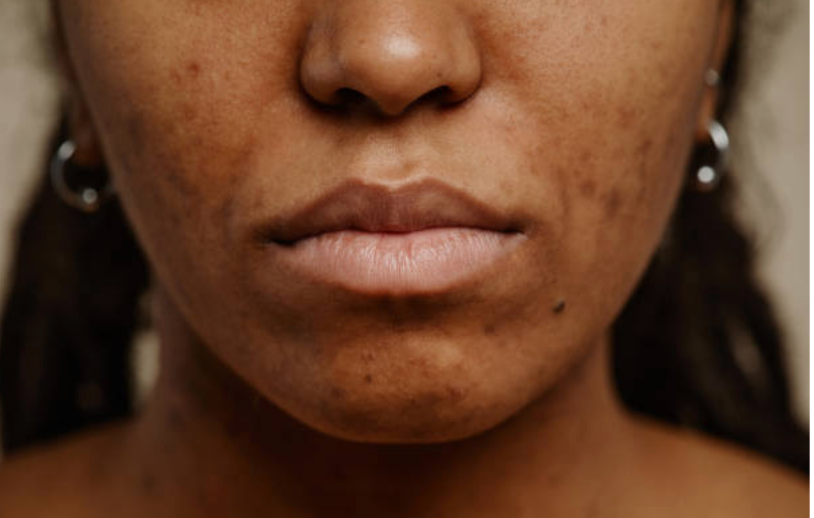
But a significant number of people cannot or will not use retinol, and the reasons are real and legitimate. Retinol causes irritation, dryness, peeling, and redness in a large proportion of people, particularly at the concentrations needed to produce results. It increases photosensitivity, requiring careful sun protection. It is contraindicated during pregnancy and breastfeeding. It does not work well on sensitive or rosacea-prone skin. And for people with darker skin tones, the inflammation it causes can trigger post-inflammatory hyperpigmentation that creates exactly the kind of dark marks they were trying to treat in the first place.
So the question of what actually works as a natural alternative is a genuine and important one and it deserves a genuinely honest answer, not a marketing-led response from a brand with something to sell.
Here is that honest answer. We will cover what retinol actually does in the skin, which natural ingredients replicate those mechanisms and to what degree, where the evidence is strong, where it is weaker, and exactly which of those ingredients is in Tikiti Luxe Facial Oil and why.
What retinol actually does — the mechanisms that matter

Understanding retinol's mechanisms makes it possible to evaluate alternatives meaningfully rather than relying on marketing comparisons.
Cell turnover acceleration. Retinol is converted in the skin to retinoic acid, the biologically active form of vitamin A, which binds to retinoic acid receptors (RARs) in skin cells and upregulates genes responsible for cell turnover. The result is that skin cells divide and shed faster, bringing fresh cells to the surface more quickly and helping to fade hyperpigmentation, smooth texture, and reduce the appearance of fine lines over time.
Collagen synthesis stimulation. Retinoic acid activates fibroblasts, the cells that produce collagen and elastin — and stimulates the production of new structural proteins in the dermis. At the same time, it inhibits the enzymes (specifically MMP-1, the matrix metalloproteinase responsible for collagen breakdown) that degrade existing collagen. The combined effect is both building new collagen and protecting what already exists.
Tyrosinase inhibition. Retinol reduces the activity of tyrosinase, the enzyme that drives melanin synthesis, which is why it is effective for hyperpigmentation — both UV-induced and post-inflammatory. For darker skin tones, this mechanism is particularly relevant because melanin overproduction is a more pronounced and persistent response to inflammation.
Any natural ingredient claiming to be a retinol alternative should be evaluated specifically against these three mechanisms. Cell turnover, collagen synthesis, and melanin inhibition. How directly and how effectively does it work on each?
“The question is not whether a natural ingredient is 'like retinol'. The question is whether it works on the same mechanisms, and what the evidence says about how well.”
The natural ingredients with genuine evidence — ranked honestly
1. Rosehip Seed Oil — the closest thing to a true retinol equivalent

Rosehip seed oil is the natural ingredient with the most direct functional relationship to retinol, and it is important to explain why precisely rather than just claiming they are equivalent.
Unlike most plant-based ingredients that are described as retinol alternatives through indirect or tenuous mechanisms, rosehip seed oil has been confirmed through laboratory analysis to contain trans-retinoic acid directly, the same biologically active form of vitamin A that prescription retinoids deliver synthetically. It also contains provitamin A carotenoids (particularly beta-carotene) that the skin can convert to retinaldehyde and subsequently to retinoic acid, extending the vitamin A activity beyond the directly present compound.
The clinical research is specific and increasingly robust. A 2025 pilot study published in the peer-reviewed journal Cosmetics used VISIA complexion analysis technology — the same clinical imaging system used in dermatology settings — and found that daily application of cold-pressed Rosa canina seed oil over five weeks produced statistically significant reductions in wrinkle scores. A separate randomised controlled trial published in PMC studied 34 adults aged 35 to 65 over eight weeks and found significant reductions in crow's feet alongside measurable increases in skin moisture and elasticity.
The mechanism for the wrinkle and collagen evidence is now understood. Rosehip seed oil's polyunsaturated fatty acids, particularly its high linoleic acid content, activate type III collagen synthesis and accelerate collagen renewal. Separately, its vitamin A compounds have been shown to inhibit MMP-1, the same collagen-degrading enzyme that retinol targets — which means rosehip is both building collagen and protecting it simultaneously. Some research suggests rosehip may actually outperform retinol specifically on MMP-1 and MMP-12 inhibition.
What rosehip cannot do is match prescription retinoids at clinical concentration. The trans-retinoic acid present in rosehip oil is at trace levels compared to prescription tretinoin (which delivers retinoic acid directly at concentrations of 0.025% to 0.1%). Rosehip oil provides directionally similar benefits — cell turnover support, collagen stimulation, texture improvement, hyperpigmentation fading — at a significantly gentler pace.
For people who want progressive, cumulative anti-ageing results without the irritation, purging, or mandatory sun-protection escalation that synthetic retinoids require, rosehip oil is a genuinely effective choice. For severe photoageing or clinical acne, prescription retinoids remain the stronger intervention.
Rosehip seed oil is the central active in Tikiti Luxe Facial Oil, cold-pressed and preserved in Miron violet glass to protect the delicate trans-retinoic acid and carotenoid compounds from light degradation.
2. Bakuchiol — the strongest clinical evidence among true botanical alternatives

Bakuchiol is extracted from the seeds and leaves of the Psoralea corylifolia plant, which has been used in Ayurvedic and traditional Chinese medicine for centuries. It has become the most widely discussed retinol alternative in skincare circles, and for good reason, the clinical evidence behind it is genuinely strong.
The landmark study was published in the British Journal of Dermatology in 2018 by Dhaliwal and colleagues, a prospective, randomised, double-blind trial comparing 0.5% bakuchiol cream used twice daily against 0.5% retinol cream used once daily over 12 weeks.
The result: both bakuchiol and retinol significantly decreased wrinkle surface area and hyperpigmentation with no statistically significant difference between the compounds. Retinol users reported significantly more facial skin scaling and stinging. The conclusion was that bakuchiol is comparable to retinol in its ability to improve photoageing and is better tolerated.
The mechanism is now understood. Comparative gene expression profiling has confirmed that bakuchiol operates as a functional analogue of retinol at the molecular level, it upregulates the same retinoid-signalling pathways that retinoic acid activates, stimulating collagen I and III synthesis, inhibiting MMP-1 and MMP-12, and promoting cell turnover.
Critically, it achieves this without the irritation cascade because it does not bind to the same receptors that cause retinol's side effects.
3. Vitamin C (from sea buckthorn) — the collagen co-factor

Vitamin C is not typically grouped with retinol alternatives, but it deserves a place in this comparison because it works on two of retinol's three core mechanisms, collagen synthesis and tyrosinase inhibition, through complementary pathways.
Vitamin C is the essential cofactor for prolyl hydroxylase and lysyl hydroxylase, the enzymes that build collagen chains. Without adequate vitamin C, collagen synthesis cannot proceed at full capacity regardless of how much retinol or retinol alternative you are applying. Applied topically alongside a retinol alternative, vitamin C is actively supporting the collagen production that the vitamin A compounds are stimulating. The two work synergistically rather than redundantly.
On hyperpigmentation, vitamin C inhibits tyrosinase through a different mechanism from retinol. It reduces the copper ion activity that tyrosinase requires to function and research has shown that vitamin C and vitamin A compounds used together produce greater melanin inhibition than either alone.
Sea buckthorn oil, present in Tikiti Luxe Facial Oil, is one of the richest natural sources of vitamin C available in any topical formulation. It also contains 41 documented carotenoid types including beta-carotene, lycopene, and zeaxanthin, which provide antioxidant protection against the UV-induced oxidative stress that drives both photoageing and melanin overproduction.
The combination of rosehip's direct vitamin A compounds with sea buckthorn's vitamin C and carotenoids in a single formula addresses retinol's three core mechanisms from multiple angles simultaneously.
4. Vitamin E — the synergistic protector

Vitamin E works alongside both vitamin A and vitamin C rather than independently, but its inclusion in a retinol-alternative routine is not optional — it is the compound that makes the other two work better.
When vitamin C neutralises a free radical by donating an electron, it becomes oxidised in the process. Vitamin E regenerates the vitamin C molecule, allowing it to continue its antioxidant and collagen-supporting activity.
This cycle, vitamin C and E working together, is documented in research as providing substantially broader antioxidant protection than either compound alone, and it is the specific reason why a formulation containing both delivers better results than one containing either separately.
Vitamin E also specifically inhibits the oxidative stress that triggers melanin overproduction — the mechanism that causes hyperpigmentation to appear and deepen after UV exposure and inflammation. On darker skin types, where melanocytes are more active and the melanin response to oxidative stress is stronger, this protection is particularly relevant.
Tikiti Luxe Facial Oil contains vitamin E alongside rosehip and sea buckthorn, creating the synergistic vitamin C-E cycle within the formula itself.
What does not work as a retinol alternative
Any post on this topic that only mentions ingredients that work is not serving you honestly. Here is what the evidence does not support.
Carrot Seed Oil

Frequently marketed as a retinol alternative because carrots contain beta-carotene. The concentration of vitamin A precursors in carrot seed oil is too low to produce meaningful retinol-like activity at the concentrations typically used in skincare. It is a useful antioxidant oil but it is not a retinol alternative with clinical evidence.
"Bioretinol" and "Vegan Retinol" Marketing Terms

These are not regulated ingredient categories. They are marketing language applied to various plant extracts to suggest retinol-equivalence that is rarely supported by evidence. When you see these terms, look for the actual ingredient name and evaluate that ingredient's evidence separately from the marketing label.
Most "Natural Retinol" Creams and Serums

The concentration of active compounds in most natural retinol alternative products is too low to produce clinical-grade results. A product containing a small percentage of rosehip oil, blended with a large percentage of water and emollients, will not deliver the same effect as a high-concentration cold-pressed rosehip oil applied directly.
Ingredient concentration and formulation quality matter as much as the ingredient itself.
Who actually needs a retinol alternative and what to use

If you are simply looking for anti-ageing skincare and have not tried retinol yet, it is worth trying a low-concentration retinol product (0.025%) with proper sun protection before assuming you need an alternative. Many people tolerate retinol at low concentrations without significant irritation.
If you genuinely cannot use retinol because of persistent irritation, pregnancy, breastfeeding, rosacea, sensitive skin, or personal preference for natural skincare, rosehip seed oil used daily has the strongest evidence of available natural alternatives for the core retinol mechanisms.
For melanin-rich skin specifically, the inflammation and purging period that synthetic retinoids cause is a direct trigger for post-inflammatory hyperpigmentation. The very thing retinol is trying to improve can be worsened by the adjustment period.
Rosehip oil's gentler mechanism delivers similar collagen and cell turnover benefits without the inflammation cycle, which makes it a particularly sensible choice for Black and Brown skin managing hyperpigmentation.
The practical routine: cleanse with
African Black Soap,
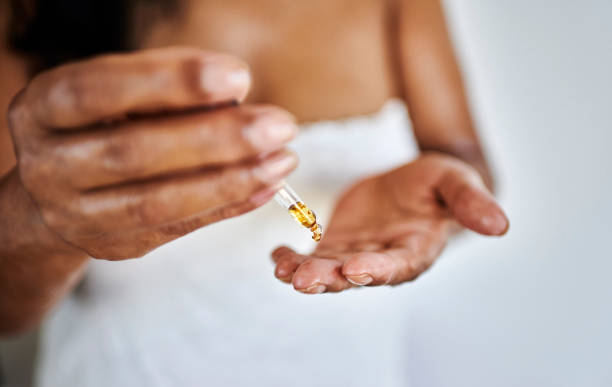
apply three to four drops of
Tikiti Luxe Facial Oil
to still-damp skin immediately after cleansing, press in and allow sixty seconds to absorb, then apply SPF before going outdoors.
Evening: same cleanse, same oil application, no SPF required. Daily, consistently, over at least eight weeks before evaluating results.
The Tikiti Luxe formula delivers rosehip's vitamin A precursors, sea buckthorn's vitamin C and 41 carotenoids, and vitamin E, all three working on retinol's core mechanisms simultaneously. It is not a retinol replacement at clinical strength. It is a genuine, evidence-backed daily anti-ageing routine for people who want the mechanisms without the side effects.
A specific note for darker skin tones

The retinol-versus-natural conversation looks different for Black and Brown skin, and it is worth saying clearly.
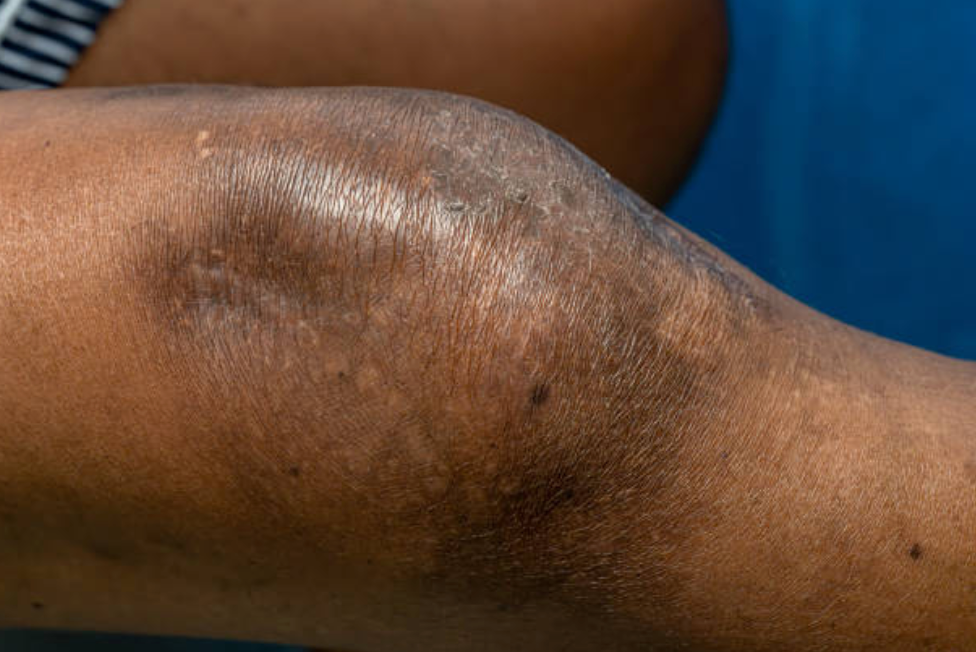
Prescription retinoids produce results on darker skin, there is no doubt about this. But the adjustment period involves weeks of irritation, redness, and skin disruption. For melanin-rich skin, that disruption is a direct PIH trigger. The dark marks that follow spots, eczema flares, and inflammatory episodes are caused by exactly the same mechanism that retinol's adjustment period activates.
People with darker skin who have tried retinol and found that their skin looked worse rather than better during the adjustment period are experiencing this directly.
This is not a reason never to use retinol. But it is a reason why rosehip seed oil's gentler, cumulative mechanism may produce better net outcomes for melanin-rich skin over time — more consistent improvement with no inflammation-triggered setbacks.
The research on rosehip specifically for hyperpigmentation on darker skin types is not as large as the general retinol literature, but the mechanism is understood and the clinical evidence for rosehip on hyperpigmentation is positive.
The vitamin C from sea buckthorn and the tyrosinase-inhibiting activity of both rosehip and turmeric, all present in Tikiti Luxe address melanin overproduction from multiple angles without any of the inflammation that makes retinol complicated for darker skin. This is the specific reason the Tikiti Luxe formula was built the way it was.
“Retinol works. But working through the adjustment period without triggering hyperpigmentation on darker skin is genuinely difficult. Rosehip seed oil works the same mechanisms more gently and for melanin-rich skin, that gentleness is not a weakness. That is the point.”
Frequently Asked Questions
Q: Is rosehip oil as effective as retinol?
A: Rosehip oil works on the same core mechanisms as retinol — cell turnover, collagen synthesis, and melanin inhibition — through its natural trans-retinoic acid and vitamin A precursor content. The effects are real and documented in peer-reviewed clinical studies. The pace is slower and the magnitude is less than prescription-strength retinoids.
For progressive, cumulative anti-ageing results without irritation, rosehip oil is a genuinely effective daily option. For severe photoageing or clinical acne needing rapid, strong intervention, prescription retinoids remain more powerful.
Q: Can I use Tikiti Luxe during pregnancy instead of retinol?
A: Yes. Tikiti Luxe contains no synthetic retinoids, which are contraindicated in pregnancy at any concentration.
The vitamin A precursors in rosehip seed oil are present at trace concentrations and are considered safe for topical use during pregnancy — they are not absorbed in the same way or at the same concentration as synthetic retinoids.
However, if you have any concerns about specific ingredients during pregnancy, please consult your midwife before use.
Q: How long does it take for rosehip oil to produce visible results?
A: The clinical studies showing significant wrinkle reduction ran for five to eight weeks of daily use. For hyperpigmentation, meaningful fading typically takes eight to twelve weeks of consistent application.
These timelines assume daily use — morning and evening — with no gaps. Consistency is what allows the cumulative cell turnover and melanin inhibition effects to compound over time.
Q: Can I use Tikiti Luxe in the morning or just at night?
A: Both. Unlike synthetic retinoids, rosehip seed oil does not increase photosensitivity and can be used morning and evening.
Apply in the morning before SPF for daytime antioxidant protection and collagen support. Apply in the evening as a treatment step while the skin undergoes its nightly repair cycle.
Both applications contribute to results — daily users see faster improvement than evening-only users.
Q: I tried retinol and my skin got worse — will rosehip oil do the same?
A: No. The purging and irritation that retinol causes — the redness, peeling, and temporary breakouts — happen because retinol's rapid cell turnover acceleration disrupts the skin surface before it adapts.
Rosehip oil does not cause this response because the vitamin A compounds it contains are present at gentle concentrations buffered by the oil's fatty acids, and the cell turnover is gradual rather than sudden.
If retinol gave you PIH, broke you out, or caused persistent irritation, rosehip oil is the approach most likely to deliver similar results without those consequences.
Q: What is the difference between Tikiti Luxe and a retinol serum?
A: A retinol serum delivers synthetic vitamin A (retinol) at a controlled concentration, typically in a water-based or silicone base, specifically calibrated for anti-ageing activity.
Tikiti Luxe delivers the vitamin A precursors naturally present in cold-pressed rosehip seed oil, alongside vitamin C from sea buckthorn and vitamin E all in a pure oil base without water, emulsifiers, or synthetic preservatives.
The mechanism overlap is significant. The formulation approach is fundamentally different: one is a targeted synthetic active; the other is a complete botanical formula where multiple ingredients work on the same mechanisms together.
Shop the Products Mentioned in This Post
- Authentic African Black Soap
- Tikiti Luxe Facial Oil
- The Luxe Heritage Duo (Two-Step Facial)
- The Glow & Flow Set (Hyperpigmentation & Uneven Skin Tone)
Related Reading
- How to Prevent Wrinkles Naturally: The African Botanical Approach to Skin That Ages Well
- Shea Butter for Hyperpigmentation: How Vitamins A and E Fade Dark Spots Naturally
- Does Dark Skin Need SPF? The Honest Answer (And What Happens If You Skip It)
Have questions about building a natural anti-ageing routine without retinol? Leave a comment below with your skin type and concerns, and we will help you work out the right combination of products for your specific situation.