Hard Water and Your Skin: The Hidden UK Problem Behind Dry Skin, Eczema and Breakouts

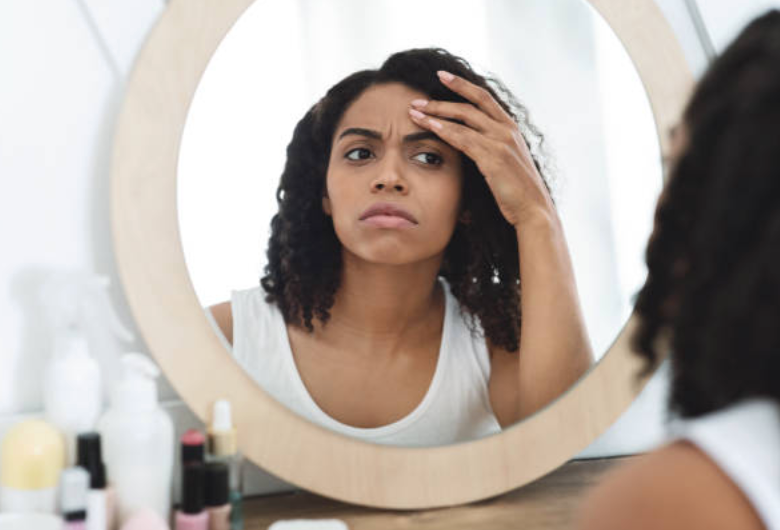
When I moved to the UK from Zanzibar, I could not understand what was happening to my skin. I had always had skin I could rely on, nourished by the botanical rituals I had grown up with, comfortable in its own balance. Within weeks of arriving in London, it was dry in a way I had never experienced. It felt stripped after washing. Products that had worked perfectly at home seemed to stop working. My daughter's eczema, already present, became harder to manage.
It took time, and a significant amount of research, before I understood one of the causes. The water coming out of my taps in London was profoundly different from the water I had grown up with. Not in terms of safety. In terms of mineral content. The water in London is some of the hardest in Europe, and those dissolved calcium and magnesium minerals were interacting with my skin and my skincare in ways I simply had not anticipated.
That realization was one of the things that shaped the Zawadi Naturals range. And it is the reason this post exists, because if you live in London, the South East, or much of England's Midlands and East, there is a very good chance that the water coming out of your taps is quietly working against your skin every single day. Not dangerously. Not dramatically. Just consistently, over every shower, every face wash, every rinse. And most people have no idea it is happening.
What hard water actually is — and where you are almost certainly affected

Hard water is simply water with a high concentration of dissolved calcium and magnesium minerals. These minerals are picked up naturally as rainwater percolates through chalk and limestone rock before reaching the water table. They are completely safe to drink, the World Health Organisation confirms no health risk from them, but they create a series of practical problems both in the home and on the skin.
In the UK, water hardness is measured in parts per million (ppm) of calcium carbonate. The classifications are: soft below 60 ppm, moderately hard at 60–200 ppm, hard at 200–300 ppm, and very hard above 300 ppm. The average hardness in England is around 230 ppm already in the hard category. London is significantly worse.
Of the 32 London boroughs analysed in the most recent UK hard water study, 91% had very hard water and 9% had hard water. Not a single borough had soft or moderately hard water. The average hardness score across London was 276 ppm, very hard. The hardest borough, Barnet, registers 327 ppm. Enfield is 315 ppm. Harrow is 304 ppm. Thames Water, Affinity Water, and South East Water consistently report the highest hardness levels in the UK, often exceeding 300 ppm.
By comparison, the Scottish Highlands can register as low as 20 ppm. Glasgow is soft. Edinburgh is soft. Much of Wales and northwest England, fed by upland reservoirs draining granite and slate geology, is soft or moderately hard. If you have moved to London or the South East from Scotland, Northern Ireland, Wales, or continental Europe where water tends to be softer, the difference your skin feels is real, not imagined.
Across all of England, 46% of counties have very hard water and 24% have hard water. Only 2% have soft water. The hard water problem is not a niche London issue, it affects the majority of people living in England, and most of them have no idea that their water is a factor in their skin concerns.
“91% of London boroughs have very hard water. The average hardness in England is 230 ppm. If your skin has changed since moving to this country, or since moving to a different part of it, your water is worth investigating.”
What hard water actually does to your skin

The mechanism by which hard water affects skin operates through several distinct pathways, and understanding them explains why the effects are both cumulative and often mistaken for something else.
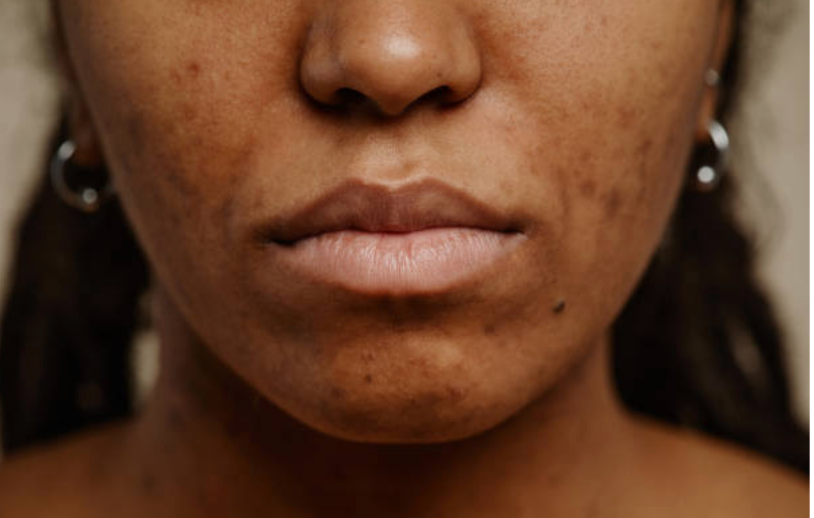
It strips the skin's natural oils. The calcium and magnesium ions in hard water react with the fatty acids in skin's natural sebum to form calcium soaps, insoluble compounds that deposit on the skin surface rather than rinsing away cleanly. These deposits physically remove the natural lipids from the skin barrier, leaving it stripped and more permeable. Every shower in hard water is doing a small amount of barrier damage. Over weeks and months, that accumulates into chronically dry, sensitised skin that requires significantly more moisturisation to maintain than it would in a soft water area.
It makes soap and cleanser less effective and more damaging.
The calcium and magnesium ions in hard water react with the fatty acids in skin's natural sebum to form calcium soaps... These deposits physically remove the natural lipids from the skin barrier further, compounding the damage the water itself is already causing.
It damages the skin barrier proteins. Research from King's College London demonstrated that hard water disrupts the skin's barrier proteins, specifically filaggrin, the structural protein critical for maintaining barrier integrity. A systematic review and meta-analysis published in King's College London's research outputs found 28% higher odds of atopic eczema associated with hard water exposure. The UK Biobank study, the largest study of its kind, analysing nearly 400,000 UK adults, found 12% higher odds of eczema in adults living in hard water areas. These are not marginal associations. They are population-level findings across hundreds of thousands of people.
It triggers and worsens eczema. The British Journal of Dermatology published a landmark study in 2022 confirming the association between domestic hard water and eczema in adults drawn from the UK Biobank cohort. Previous literature had established this link in children, research from King's College London linked hard water calcium carbonate concentrations and chlorine to skin barrier damage and atopic dermatitis rates in infancy. The 2022 study confirmed it extends to adulthood. The mechanism is the filaggrin disruption already described, combined with the inflammatory cytokines that hard water mineral deposits trigger in already-sensitised skin.
It creates a film that blocks product absorption. The calcium soap deposits left by hard water do not just strip the skin, they also sit on its surface as a physical barrier between your skincare and your skin. This is why moisturisers can feel like they are sitting on top of the skin rather than absorbing in hard water areas. The skin has not changed. The layer of mineral residue between the product and the skin is preventing absorption. Applying more product does not solve this, it just adds more layers on top of the existing residue.
Why hard water hits darker skin tones particularly hard

This is the angle that mainstream hard water skincare advice entirely ignores, and it is one of the reasons the founder's experience coming to London was so specific and so striking.
Melanin-rich skin has a skin barrier composition that is measurably different from lighter skin in ways that make it more susceptible to the specific type of damage hard water causes. Research has documented that Black and Brown skin has higher transepidermal water loss under baseline conditions meaning the barrier is already working harder to retain moisture than lighter skin types with the same external conditions. When hard water compounds that loss by stripping natural lipids and disrupting filaggrin with every shower, the cumulative effect is more pronounced.
The ashiness that is such a common and frustrating experience for Black and Brown skin in the UK, that grey, dull, dry appearance that seems to return no matter how much moisturiser is applied, is almost always a combination of factors, and hard water is frequently one of them. The mineral deposits on the skin surface scatter light differently than clear, moisturised skin, contributing to that flat, ashen look. The barrier stripping means moisturiser applied on top is fighting uphill against ongoing damage rather than maintaining skin that is already intact.
For eczema specifically and Zawadi Naturals was born, in part, from the experience of managing eczema on the skin of a child, the hard water mechanism is one that is rarely explained in GP consultations but is documented clearly in the research. The 28% higher odds of atopic eczema in hard water areas is not a coincidence. If you are managing eczema in a London or South East household, and you have never been told that your water supply may be a factor, you are not alone.
Why African Black Soap works differently in hard water

This is the practical section, and it starts with understanding why your current cleanser might be making the hard water problem worse rather than better.
Most commercial soap bars and cleansers are formulated around synthetic surfactants — sodium lauryl sulphate, sodium laureth sulphate, and related compounds. These surfactants are specifically chosen because they lather well and clean effectively in standard water conditions. In hard water, however, the calcium and magnesium ions react aggressively with these surfactants, reducing their cleaning effectiveness, increasing the amount needed, and leaving the calcium soap scum deposits on the skin surface that compound the barrier damage. The more sulphate-rich the cleanser, the worse this interaction.
African Black Soap is formulated around a completely different chemistry. Authentic African Black Soap, like our Zawadi Naturals version is made from plantain skin ash and cocoa pod ash, blended with shea butter and botanical oils. The potassium-based lye produced from plant ash creates a soap that behaves fundamentally differently in hard water. Rather than reacting with calcium ions to form stubborn insoluble deposits, the plant-based surfactants in African Black Soap rinse more cleanly and leave significantly less mineral residue on the skin surface. The shea butter in the formulation simultaneously replenishes some of the barrier lipids that the water stripping is removing, providing a partial compensatory mechanism at the cleansing step itself.
This is not a marketing claim invented for this post. It is the chemistry of plant-ash soap — a formulation that was developed over generations in West Africa, where water quality varies enormously and the soap needed to function consistently across different conditions. The result is a cleanser that works gently and effectively regardless of water hardness, does not compound the barrier stripping that hard water causes, and leaves skin genuinely clean rather than stripped.
The practical difference for people switching from a sulphate-based wash to African Black Soap in a hard water area is often immediate. The tight, stripped feeling that follows a shower disappears. The skin feels clean but not compromised. And because less barrier damage is being done at the cleansing step, the products applied afterwards — particularly a body butter or facial oil — can absorb and work as intended rather than sitting on a layer of mineral residue.
“African Black Soap was not designed for London's water. But its chemistry is far better suited to hard water than most of what is sold in British pharmacies.”
Rehydrating mineral-stripped skin: the role of Pink Prestige
 Even when the cleanser is doing minimal damage, the water itself is still stripping lipids from the skin barrier with every shower. This is why rehydration after cleansing, applied to damp skin, immediately after stepping out, is not optional in a hard water area. It is compensating for structural damage that the water causes regardless of what you wash with.
Pink Prestige Whipped Body Butter is specifically effective for hard water-damaged skin because of its fatty acid profile.
Unrefined organic shea butter, which is the base of Pink Prestige, has a fatty acid composition that closely mirrors the natural lipids in the human skin barrier. When hard water stripping removes these lipids, applying a product with a similar fatty acid profile does not just sit on the surface and create a temporary moisture barrier, it genuinely integrates with the existing barrier structure and begins to repair the compositional deficit that hard water creates.
The marula oil in Pink Prestige provides additional oleic acid, which is particularly important for hard water-compromised skin. Marula has a natural affinity for skin and absorbs easily even through the mineral residue that hard water leaves on the surface. The illipe butter adds stearic acid, which strengthens the cell membrane integrity that hard water disruption compromises. Together, the formula is delivering the specific fatty acids that hard water removes not just adding a layer of moisture on top.
The application timing is everything. Damp skin, within two to three minutes of stepping out of the shower, is when the skin is most receptive and the mineral film from the water is at its thinnest. Waiting until the skin is fully dry allows more of the calcium soap deposits to set on the surface, reducing absorption. This is why the damp-skin technique that is recommended across the Zawadi Naturals range is particularly important for people in hard water areas: it is not just a technique for better product performance, it is a compensatory mechanism for the structural damage the water has just done.
The practical hard water skin routine
In the shower:

Use African Black Soap on your face and body. Use enough to lather properly but do not compensate for hard water by using excessive product. If you are used to a foaming sulphate wash and find African Black Soap does not lather in the same way, that is because it is not creating the same calcium soap scum reaction, it is still cleaning effectively.
Immediately after showering — before drying fully: 
Apply
Pink Prestige Whipped Body Butter to damp skin. The two to three minute window after stepping out of the shower is the most important moment in a hard water skincare routine. Apply generously and massage using circular motions. Pay particular attention to the shins, forearms, and any areas where ashiness or dryness is persistent.
For the face:
After rinsing your face with African Black Soap, gently pat, do not rub, with a clean towel and apply Tikiti Luxe Facial Oil to still-damp skin. The watermelon seed oil's linoleic acid replenishes the skin barrier lipids that hard water removes. The rosehip's vitamin A supports the filaggrin protein production that hard water disrupts. Applied consistently, Tikiti Luxe works on the specific mechanisms of hard water damage not just on the surface symptoms.
For eczema-prone skin in a hard water area: 
Truth Body Butter (Unscented) is the fragrance-free, essential-oil-free alternative for skin that is already reactive from hard water exposure. It provides the same shea butter-led barrier repair as Pink Prestige without any potential irritants, making it safe for children and for skin that is in an active eczema flare.
Other things that help — and what the research says about water softeners

Shower filters. A shower filter fitted to your shower head can reduce calcium and magnesium content in the water before it hits your skin. They typically cost £20 to £35, require cartridge replacement every few months, and measurably reduce hardness, many users in London report a visible difference in skin and hair within a week or two. This is the most cost-effective hard water intervention for most households.
Water softeners. Whole-house water softeners using ion exchange are more expensive (from £400 upwards) but comprehensively address the problem. It is worth noting that the Softened Water Eczema Trial (SWET) a UCL randomised controlled trial that installed water softeners in the homes of children with, moderate-to-severe eczema and monitored outcomes over 12 weeks, found no statistically significant benefit over usual care on objective eczema severity measures, though participants self-reported improvement. This does not mean water softeners do not help, it means the evidence for them specifically as an eczema treatment is inconclusive. Their effect on general skin dryness and barrier health is more widely supported.
Washing your face with filtered water. Some people in very hard water areas use a jug filter to produce soft water specifically for face cleansing. It sounds elaborate but the effect is measurable. Calcium carbonate deposits from hard water on the face, a particularly thin-skinned and sensitive area, contribute to congestion and barrier disruption that is disproportionate to the size of the area.
Checking your postcode. You can check your exact water hardness by entering your postcode at your water supplier's website, or at waterhard.uk. Thames Water customers in central London, Affinity Water customers in Hertfordshire and Essex, and South East Water customers across Kent and Surrey are almost all in the very hard category. If your hardness is above 250 ppm, your water is likely a contributing factor in any persistent skin dryness, barrier sensitivity, or eczema you are experiencing.
Frequently Asked Questions
Q: How do I know if I live in a hard water area?
A: The fastest way is to check your postcode on your water supplier's website — they publish annual water quality reports that include hardness measurements for your supply zone. If your kettle regularly develops white chalky deposits, your shower screen has white film, or your washing machine detergent does not seem to work properly, these are reliable signs of hard water. In London and the South East, almost all households are in hard or very hard water areas.
Q: Can hard water cause eczema or just worsen it?
A: Both, according to the research. The UK Biobank study of 400,000 adults found 12% higher odds of eczema in those living in hard water areas. The King's College London systematic review found 28% higher odds. This suggests hard water can contribute to the development of eczema by disrupting the filaggrin-based skin barrier, not just worsen pre-existing cases. For people with a genetic predisposition to eczema, hard water appears to be an environmental trigger that increases the likelihood of the condition developing.
Q: Why does my moisturiser not seem to absorb properly?
A: This is one of the most common experiences for people in hard water areas and the cause is almost always the mineral film that hard water deposits leave on the skin surface. This film sits between your skin and your moisturiser and reduces absorption. Applying to damp skin immediately after showering — before the mineral deposit has fully set — significantly improves absorption. Switching to African Black Soap as your cleanser also reduces the amount of calcium soap scum that forms on the surface, giving products better access to the skin itself.
Q: Is African Black Soap better than regular soap for hard water areas?
A: Yes — for a specific chemistry reason. Commercial soaps formulated around sodium lauryl or laureth sulphate react aggressively with hard water calcium ions, forming insoluble calcium soap deposits on the skin and requiring significantly more product to achieve the same clean. African Black Soap's plant ash-based chemistry does not create the same reaction, rinses more cleanly, and includes shea butter which begins to replenish barrier lipids at the cleansing step. The difference is measurable and most people notice it within the first week of switching.
Q: Will a shower filter make a real difference?
A: For most people in hard water areas, a shower filter noticeably improves skin and hair feel within one to two weeks. They range from £20 to £35 and require cartridge replacements every few months depending on usage and local hardness levels. They reduce calcium and magnesium content in shower water, reducing the barrier-stripping and mineral film deposit that hard water causes. They are not a complete solution — but they are a cost-effective first intervention that makes the skincare routine work considerably better.
Q: My eczema is worse in London than it was at home — could the water be the reason?
A: Almost certainly partly, yes. If you have moved to London or the South East from a region with softer water — Scotland, Wales, Ireland, Northern Ireland, or many parts of continental Europe — the change in water hardness is a documented eczema risk factor. The 28% higher odds of eczema in hard water areas found in the systematic review applies to people who were previously managing fine in softer water. Switching to African Black Soap, applying Truth Body Butter (Unscented) immediately after showering to damp skin, and investigating a shower filter are the three practical steps most likely to make a difference.
Shop the Products Mentioned in This Post
Related Reading
- How to Prevent Wrinkles Naturally: The African Botanical Approach to Skin That Ages Well
- Can You Put Shea Butter on Your Face? (What You Should Use Instead)
- Shea Butter for Hyperpigmentation: How Vitamins A and E Fade Dark Spots Naturally
-
What Order to Apply Natural Skincare Products: The Simple 3-Step African Routine
Do you live in a hard water area and suspect it is affecting your skin? Leave a comment below with your area and your specific skin concern — we will help you work out the right routine adjustments for your water conditions.