African Black Soap 30-Day Challenge: What to Expect and What the Science Says About the Results

The African Black Soap before-and-after is one of the most searched skincare topics on TikTok and Instagram right now. People are filming their faces week by week, uploading the results, and the comments are full of people asking the same questions: does it actually work? Why did my skin get worse first? How long until I see results? What am I doing wrong?
This post is the answer to all of those questions honestly, week by week, with the science behind what is actually happening at each stage. No overselling, no before-and-after photographs chosen to exaggerate results. Just the real timeline, what the skin is doing and why, and what to do if something unexpected happens along the way.
If you are about to start a 30-day African Black Soap challenge, or you are two weeks in and wondering whether to keep going, this is what you need to read.
Before the Challenge: What Makes African Black Soap Different from Every Other Cleanser

Most cleansers on the market are formulated around synthetic surfactants, sodium lauryl sulphate, sodium laureth sulphate, and related compounds. These create dramatic lather and remove oil efficiently. They also strip the skin's natural barrier lipids, disrupt the skin microbiome, react with hard water to form pore-blocking calcium soap deposits, and trigger the compensatory sebum overproduction that makes oily skin oilier and sensitive skin more reactive.
African Black Soap is chemically different. Made from plantain skin ash and cocoa pod ash, traditional West African ingredients, blended with shea butter, coconut oil, and sweet almond oil, its potassium-based chemistry cleans through a completely different mechanism.
It does not strip the barrier in the way sulphate cleansers do. It does not react aggressively with hard water minerals. The shea butter in the formula simultaneously replenishes some of the barrier lipids that any cleanse removes. And the natural compounds in the plantain and cocoa pod ash provide antibacterial and anti-inflammatory activity that begins working from the very first use.
This is why the 30-day results are real and consistent across thousands of users with different skin types. It is not because African Black Soap is magical. It is because it is removing the thing that was causing the problem, the barrier disruption, the bacterial overgrowth, and the hard water mineral film, and giving the skin the conditions to repair itself.
"African Black Soap does not fix your skin. It stops doing the things that were breaking it and lets your skin do what it was designed to do."
How to Use It Correctly — The Technique That Determines the Results

Most people who do not see results from African Black Soap are making one or more of the same technique errors. Getting this right from day one is the difference between seeing clear improvement by week two and giving up in frustration.
Always Lather in Your Hands First
Do not rub the bar directly on your face. African Black Soap is a concentrated product, and bar-to-face application deposits too much product in one area, which can cause dryness or irritation.
Wet your hands, rub the bar between your palms for five to ten seconds to create a lather, then apply that lather to your face and body.
Use on Damp Skin, Not Soaking Wet
Apply to skin that is damp from the shower or from rinsing your face, not soaking wet. The moisture on the skin surface helps the lather distribute without immediately diluting the active compounds.
Thirty Seconds Maximum
African Black Soap is active. It does not need to sit on the skin for minutes to work.
Massage gently for approximately thirty seconds, enough to clean the skin thoroughly, then rinse with cool or lukewarm water.
Longer contact time increases the likelihood of temporary dryness, particularly in the first two weeks.
Cool Water Rinse
Hot water strips barrier lipids and inflames the skin. Rinse with cool or lukewarm water to reduce post-wash redness.
Follow Immediately with Tikiti Luxe Facial Oil
African Black Soap cleanses thoroughly. On damp, freshly cleansed skin, Tikiti Luxe absorbs quickly and replenishes the barrier lipids that cleansing removes.
Leaving cleansed skin bare, particularly in a UK centrally heated or hard water environment, creates the dryness that many people blame on the soap when it is actually caused by not following with a barrier-supporting product.
Frequency: Twice Daily to Start
Twice daily, morning and evening, is the optimal frequency for a 30-day challenge because it maintains consistent antibacterial and barrier-supporting activity.
If your skin feels tight or dry in the first week, reduce to once daily in the evening until the skin adjusts, then build back to twice daily.
The 30-Day Timeline — Week by Week, What Is Actually Happening

Week 1 (Days 1–7): The Adjustment Phase
This is the phase that confuses most people and causes the most challenge drop-outs.
For many people, particularly those switching from a sulphate-based cleanser, the first week of African Black Soap use produces unexpected skin responses, temporary dryness, a feeling that the skin is "different," and sometimes a brief increase in congestion or small breakouts.
This is not the soap damaging your skin. This is your skin adjusting.
The microbiome is shifting as the antibacterial compounds alter the bacterial balance on the skin surface. The barrier is recalibrating as it no longer receives the compensatory sebum signals that sulphate stripping was triggering.
Trust the process. Do not add new products. Follow with Tikiti Luxe every time.
What you should see by the end of week one:
- Cleaner-feeling skin after washing
- Some surface congestion appearing that was already beneath the skin
- Slightly different skin texture
- Potentially smoother in some areas and slightly drier in others
If dryness is uncomfortable: reduce cleansing to once daily and apply Tikiti Luxe twice daily, morning and evening.
Week 2 (Days 8–14): The Transition Clears
Week two is when most people start to see the first positive signals.
The microbiome adjustment is settling. The skin's sebum regulation is beginning to normalise. The calcium soap deposits from previous hard water cleansing are clearing. The fresh skin beneath the surface is starting to show through.
Skin typically starts feeling softer after washing rather than stripped.
Oil control for oily or combination skin types often shows the first signs of improvement, with midday shine beginning to reduce.
What you should see by the end of week two:
- Noticeably softer skin texture
- Reduction in new breakouts for acne-prone skin
- Less tightness for dry skin
- Beginning of sebum regulation for oily skin
- Early brightening and more even-looking skin tone
Week 3 (Days 15–21): Results Become Visible
This is when the 30-day challenge starts earning its reputation.
The skin barrier has had three weeks of gentle cleansing. The antibacterial activity has had time to shift the balance of bacteria on the skin surface toward healthier microorganisms.
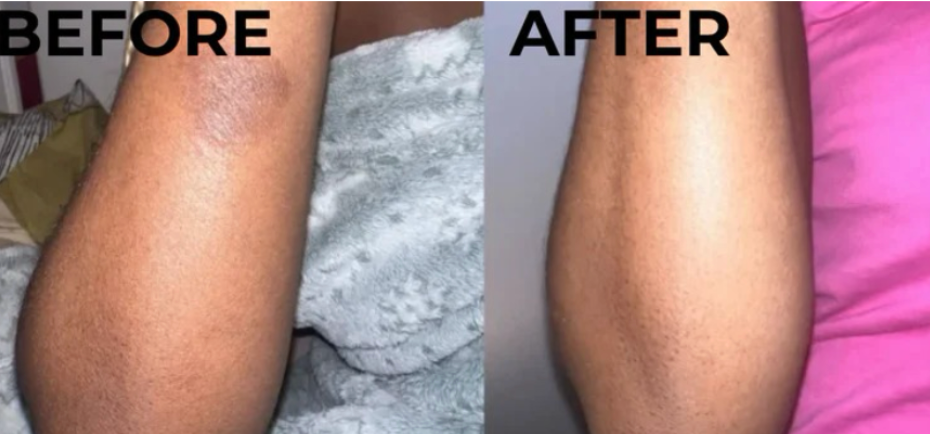
For darker skin tones, this is often when post-inflammatory hyperpigmentation from previous breakouts starts to visibly reduce.
What you should see by the end of week three:
- Clearer skin overall
- Fewer active breakouts
- Beginning of dark mark fading
- More comfortable skin barrier
- Reduced midday oiliness
- General brightness and evenness
Week 4 (Days 22–30): The Compound Effect
Week four is compound interest on everything the previous three weeks have built.
The microbiome is balanced. The barrier is more resilient. Sebum regulation is established. Surface renewal has progressed significantly.
This is when the results people post on TikTok and Instagram often become visible.
What you should see by day thirty:
- Clearer skin
- More even tone
- Reduced dark marks
- Smaller-looking pores
- Healthier glow, particularly on melanin-rich skin
Thirty days is not enough for deep structural changes, but it is enough for meaningful, visible improvement.
"Day 30 is not the finish line. It is when you understand that you have found what works — and you keep going."
When Things Do Not Go to Plan — What Is Actually Happening and What to Do

Initial Breakout in Week One
This is the most common reason people abandon the challenge. A brief initial increase in breakouts, particularly small whiteheads or congestion appearing, is often the soap bringing existing congestion to the surface as the pores clear.
It looks like a new breakout, but it is existing congestion becoming visible before clearing.
Continue with the challenge, apply Tikiti Luxe after every cleanse, and the congestion typically settles by the end of week two.
Dryness That Does Not Resolve After Week One
If dryness persists into week two, check three things:
- Are you rinsing with cool water rather than hot water?
- Are you applying Tikiti Luxe within sixty seconds of cleansing while the skin is still damp?
- Are you living in a hard water area?
In hard water areas, African Black Soap performs significantly better than sulphate cleansers, but the minerals in the water itself still require consistent damp-skin application of Tikiti Luxe immediately after every wash.
Reduce to once-daily cleansing if needed until your skin adjusts.
No Visible Change by Week Two
Check your technique.
- Are you lathering in your hands before applying?
- Are you using it consistently twice daily?
- Are you following with Tikiti Luxe every time?
African Black Soap does not work as well when alternated with sulphate-based cleansers or followed with a heavy, pore-clogging moisturiser that recreates the congestion it has just helped clear.
The challenge works best as a consistent routine: African Black Soap followed by Tikiti Luxe every time.
Skin Looks Brighter in the Morning but Dull by Evening
This is often a hard water or central heating issue.
The mineral film from hard water and the moisture-stripping effect of centrally heated indoor air can dull the skin throughout the day.
Apply Tikiti Luxe both morning and evening. On particularly dull days, lightly dampen the skin and press in a single drop of Tikiti Luxe as a refresh.
What the Science Says About Why These Results Happen

Antibacterial Activity
A 2020 study evaluated African Black Soap against common skin pathogens and found significant inhibitory activity against Staphylococcus aureus, Staphylococcus epidermidis, and Candida albicans.
These organisms are commonly associated with acne, infected eczema, and fungal skin concerns.
The plantain and cocoa pod ash components are believed to be the source of this activity.
Three weeks of consistent use can support a healthier skin environment and microbiome.
Anti-Inflammatory Compounds
The shea butter component of African Black Soap contributes lupeol cinnamate, a triterpene ester with documented anti-inflammatory activity.
This reduction in baseline inflammation contributes to the calmer, less reactive skin that many people notice throughout the challenge.
Microbiome Preservation Versus Sulphate Disruption
Modern skincare research increasingly recognises the importance of the skin microbiome.
The microorganisms that live on the skin support barrier function, regulate immune responses, and help crowd out pathogenic organisms.
Sulphate cleansers can disrupt this ecosystem indiscriminately.
African Black Soap's gentler cleansing chemistry helps preserve the beneficial microbiome while still supporting a healthy skin environment.
Natural Exfoliation Without Irritation
The plantain skin ash in African Black Soap provides gentle exfoliating activity without the micro-inflammation often associated with harsh physical scrubs.
Over thirty days, this gradual exfoliation helps remove the dead cell build-up that contributes to dullness and uneven tone.
Each wash is a small step toward a clearer, smoother skin surface.
What to Do After Day 30

Day thirty is not the end of the routine. It is the beginning of understanding that you have found something that works and can continue building on it.
The improvements documented by day thirty — clearer skin, more even tone, reduced breakouts, better hydration retention, and a healthier glow — continue to improve with consistent ongoing use.
The skin renewal cycle takes approximately 28–35 days to complete. You have seen one cycle. Month two and month three build upon month one.
After day thirty, consider expanding the routine:
- Add the Pineapple Sugar Scrub once a week to support surface renewal and dark mark fading.
- If hyperpigmentation is a concern, consider the Glow and Flow Set alongside Tikiti Luxe.
- If you are managing very dry or eczema-prone skin, consider adding Truth Body Butter or using it alongside Pink Prestige.
The 30-day challenge is a format. The routine is long-term.
"Day 30 is not the finish line. It is when you understand that you have found what works — and you keep going."
Frequently Asked Questions
Q: Why did my skin get worse in week one of the challenge?
A: This is normal and extremely common. Existing congestion often comes to the surface as the skin adjusts to the new routine. Continue the challenge and support the skin barrier with Tikiti Luxe after every cleanse.
Q: How long does a bar of Zawadi African Black Soap actually last?
A: With twice-daily use on the face and body, the 150g bar typically lasts between eight and twelve weeks. Proper storage on a draining soap dish can extend its lifespan significantly.
Q: Can I use African Black Soap on my body as well as my face?
A: Yes. Many people notice improvements in body acne, texture, and overall skin clarity when using it consistently on both face and body.
Q: My skin is dry. Is African Black Soap suitable for me?
A: Yes, with the right technique. Follow immediately with Tikiti Luxe on damp skin and consider reducing cleansing to once daily during the adjustment period if needed.
Q: Should I take before-and-after photos?
A: Absolutely. Photograph your skin on day 1, day 7, day 14, day 21, and day 30 in the same lighting and from the same distance. Gradual improvements are often much easier to appreciate in comparison photos.
Q: Can I use other Zawadi products during the challenge?
A: Yes. The routine works particularly well as a system. African Black Soap and Tikiti Luxe form the core challenge, while Pink Prestige and the Pineapple Sugar Scrub help support even better long-term results.
Start Your 30-Day Challenge
- Authentic African Black Soap
- Tikiti Luxe Facial Oil
- Pink Prestige Whipped Body Butter
- Pineapple Sugar Scrub (Turmeric & Camwood)
- Radiance Trial Treasures (Travel Essentials)
Related Reading
- African Black Soap for Beginners: Everything You Need to Know Before You Buy
- What Order to Apply Natural Skincare Products: The Simple 3-Step African Routine
- Shea Butter for Hyperpigmentation: How Vitamins A and E Fade Dark Spots Naturally
- Hard Water and Your Skin: The Hidden UK Problem Behind Dry Skin, Eczema and Breakouts
Starting your 30-day challenge? Tell us in the comments your skin type, your main concern, and what you are hoping to see by day 30.
We follow up with everyone and would love to hear how it goes. Tag us @zawadinaturals on TikTok and Instagram with your progress.