
Article: Does Natural Skincare Actually Help Fade Scars? What the Evidence Says
Does Natural Skincare Actually Help Fade Scars? What the Evidence Says
Rosehip oil has real clinical data behind it for scars; here's what it can and can't do, and how to use it properly
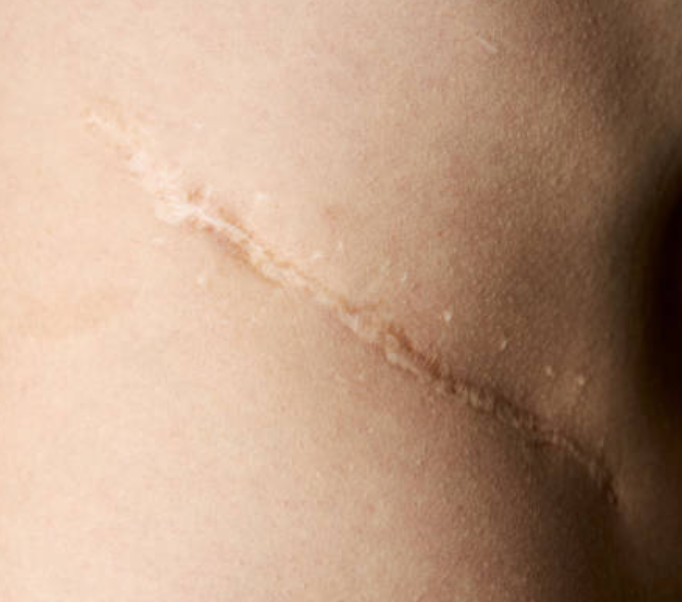
Scarring is one of the most searched skin concerns online, and one of the most poorly served by generic advice. Most content either overpromises, "erase scars in days", or underdelivers, treating every scar as identical. Neither is accurate. Here's what natural ingredients, rosehip oil in particular, can genuinely do for scarring, what they can't, and how to actually use them.
Not All Scars Are the Same, and That Matters

Before anything else, it helps to know what type of mark you're actually dealing with, since the honest answer to "will this work" depends heavily on it.
-
Post-inflammatory hyperpigmentation (PIH): flat, discoloured marks left after acne, cuts, or irritation heal. This is the category natural oils are genuinely well suited to
-
Atrophic or rolling scars: shallow depressions, common after acne, where skin has lost some underlying structure. Oils can improve texture and tone here, but won't fill the depression itself
-
Hypertrophic scars: raised, thickened scars that stay within the original wound boundary. Natural oils can soften and improve appearance, but won't flatten them significantly on their own
-
Keloid scars: raised scars that extend beyond the original wound, more common in melanin-rich skin specifically. This is the category where expectations need to be most realistic: no therapy, natural or otherwise, reliably prevents or resolves established keloid scarring, and it's worth seeing a dermatologist for anything keloid-prone
If you're dealing with flat discoloration from a healed acne mark or old cut, you're in the category where natural, evidence-backed ingredients can make a real, visible difference. If you're dealing with a raised or keloid scar, natural oils are still worth using for softening and comfort, but it's honest to say they won't be a complete solution alone.
The most useful thing you can do for a scar is know which kind you actually have before choosing what to put on it.
What the Research Actually Shows About Rosehip Oil

Rosehip oil has more scar-specific research behind it than most natural ingredients used in skincare, dating back to clinical scar management studies from the 1980s, long before it became a general skincare trend. It's rich in trans-retinoic acid, a naturally occurring form of vitamin A, alongside linoleic and alpha-linolenic acid, all of which support skin cell regeneration and collagen remodelling.
-
A clinical study published in the Journal of Cosmetics, Dermatological Sciences and Applications found rosehip oil significantly improved scar colour, texture and overall appearance compared to placebo after twelve weeks of twice-daily use
-
A separate study on post-surgical scars found improvement specifically in redness, discoloration, and the sunken or atrophic quality of healing scars with consistent rosehip oil application
-
It performs best on newer, post-inflammatory, and shallow rolling scars, less on deep ice-pick acne scars or established raised scarring
-
Consistent use, typically twice daily over eight or more weeks, is what the research is actually based on, not occasional or short-term application
This is genuinely one of the few natural skincare claims with real clinical trial data behind it, rather than tradition and anecdote alone, which is part of why it's worth taking seriously as a scar-focused ingredient rather than dismissing it as another vague "natural remedy."
Why This Matters More for Melanin-Rich Skin

Scarring behaves differently on melanin-rich skin in a few specific ways worth understanding. Post-inflammatory hyperpigmentation tends to be more pronounced and longer-lasting, since more active melanocytes mean more melanin gets deposited in response to inflammation or injury. Keloid and hypertrophic scarring is also genuinely more common in darker skin tones, which is why realistic expectations for raised scarring matter here specifically, rather than assuming the same advice given for lighter skin applies equally.
-
Sun protection is non-negotiable during scar healing regardless of skin tone, but UV exposure darkening a healing mark tends to be more visible and more stubborn on deeper skin
-
Picking, scratching, or over-exfoliating a healing mark increases the risk of it darkening further or developing into a more prominent scar, particularly relevant advice for melanin-rich skin
-
Niacinamide, alongside rosehip oil, has separate evidence for limiting melanin transfer, making the two a reasonable pairing for flat, discoloured post-inflammatory marks specifically
How to Actually Use Rosehip Oil for Scarring

-
Apply two to three drops to clean skin, ideally at night, since the oil leaves a slight sheen that's more comfortable during sleep than under daytime makeup
-
Massage in gently using circular or cross-fiber motions rather than simply patting on top; gentle massage from around two to four weeks after a wound has closed can help soften scar tissue as it forms
-
Be consistent, twice daily, for a minimum of eight weeks before judging results; this mirrors the actual clinical studies rather than a shorter, less realistic timeframe
-
Always pair with daily SPF over the treated area; UV exposure actively darkens healing skin and can undo the fading you're working toward
-
Never massage a scar that's actively inflamed, painful, or rapidly enlarging without medical advice first; this can apply to early keloid formation specifically
The Tikiti Luxe Nutrient Rich Glow & Repair Facial Oil centers on rosehip oil alongside watermelon seed and sea buckthorn oils, and is formulated with discoloration and loss of elasticity in mind, making it a practical way to apply this evidence-backed approach without sourcing pure rosehip oil separately. For body scarring or stretch marks, the Plantain Miracle Multi-Use Salve offers a fragrance-free, richer option better suited to larger areas.
What Natural Oils Can't Do

Honesty matters more here than almost anywhere else in skincare, since scarring is an area where overpromising is common and genuinely damaging to trust.
-
They won't remove a scar entirely; improvement in colour and texture is realistic, but complete disappearance generally is not
-
They won't meaningfully flatten established keloid or significantly raised hypertrophic scarring; that typically requires dermatological treatment such as silicone sheeting, steroid injection, or laser therapy
-
They won't fill in deep, pitted acne scarring; that's a structural loss of tissue that topical oils alone can't rebuild
-
They work considerably better on newer scars than on marks that have been established for years; earlier intervention gives noticeably better results than waiting
Other Zawadi Ingredients That Support Scar Fading

Rosehip oil has the strongest scar-specific research, but it's worth knowing what else in the Zawadi range supports the same healing process, since a scar routine rarely relies on one ingredient alone.
-
Vitamin E: included alongside rosehip in Tikiti Luxe, used to moisturise scar tissue and support the elasticity of skin as it remodels during healing
-
Sea buckthorn: also in Tikiti Luxe, one of the richest natural sources of vitamin C with 41 documented carotenoids, supporting the same collagen and antioxidant pathways rosehip oil works through
-
Bromelain and rapadura sugar: found in Pineapple Sugar Scrub, this enzyme-and-fine-granule combination gently lifts the dead cell layer that sits over a healing or discoloured mark, without the micro-inflammation that harsher physical scrubs can cause, particularly relevant since that inflammation is exactly what triggers more melanin production in melanin-rich skin
-
Niacinamide: found in Divine Cocoon Vitamin B3 Facial Milk, works by limiting melanin transfer between skin cells, a useful pairing with rosehip oil specifically for flat, discoloured post-inflammatory marks rather than raised scarring
-
Shea butter: the base of Pink Prestige Whipped Body Butter, with documented TEWL reduction and hydration benefits that support the barrier repair happening underneath a healing scar, particularly useful for larger body areas
The common thread across the ingredients in Zawadi's formulas is that they support the skin's own regeneration and collagen remodelling, rather than acting as a fast, direct eraser. That's a meaningfully different mechanism from what marketing language sometimes implies, and it's why combining a couple of these, rather than relying on one product alone, tends to give a more complete result.
Common Mistakes That Slow Scar Healing Down

-
Starting treatment too early on a scar that hasn't fully closed: applying oil to broken or scabbed skin can irritate rather than help; wait until the surface has genuinely healed
-
Skipping SPF because the area is "just a scar," when UV exposure is one of the single biggest factors in whether a healing mark fades or darkens further
-
Picking at healing skin or over-exfoliating the area, both increase inflammation and the risk of a more prominent mark forming in the first place
-
Switching products every two weeks looking for faster results, when the actual evidence behind ingredients like rosehip oil is built on eight-plus weeks of uninterrupted, consistent use
-
Expecting a raised or keloid scar to respond the same way a flat, discoloured mark does, and concluding a product "doesn't work" when the scar type itself needed a different approach entirely
Frequently Asked Questions
-
Does rosehip oil actually work for scars, or is that just marketing?
It has genuine clinical evidence behind it, not just tradition. Studies have shown measurable improvement in scar colour, texture, and appearance after consistent twice-daily use over eight to twelve weeks, particularly for post-inflammatory marks, surgical scars, and shallow acne scarring.
-
Will natural oils help with my keloid scar?
They can help soften and moisturise the area, but no natural remedy reliably prevents or resolves established keloid scarring on its own. This is genuinely a case where a dermatologist consultation is worth having alongside any topical routine, particularly for melanin-rich skin, where keloid scarring is more common.
-
How long before I'll actually see results on a scar?
Give it a minimum of eight weeks of consistent, twice-daily use, in line with the clinical studies rosehip oil's scar evidence is actually based on. Newer scars typically respond faster and more visibly than scars that have been established for years.
-
Is it true that sun exposure makes scars worse?
Yes, and this is one of the most important, most overlooked parts of scar care. UV exposure triggers melanin production in healing skin, which can darken a scar or post-inflammatory mark and undo progress from any topical treatment, natural or otherwise. Daily SPF over the area is genuinely non-negotiable during healing.
-
Can I use rosehip oil on a fresh wound, or only once it's healed?
Wait until the wound has fully closed and any scabbing has resolved before applying oil directly. Gentle massage with scar-supportive oils is generally introduced from around two to four weeks post-injury, once the skin has closed, not on open or actively healing wounds.
-
Why does my scar look darker than the surrounding skin instead of lighter?
This is typical post-inflammatory hyperpigmentation, more melanin deposited in response to the original injury or inflammation, and it's more pronounced in melanin-rich skin. It's a different mechanism from raised or textured scarring, and it's the category natural, niacinamide- and rosehip-based approaches are best suited to addressing.
-
What's the best Zawadi product for scarring specifically?
Tikiti Luxe Nutrient Rich Glow & Repair Facial Oil for facial scarring and discoloration, built around rosehip oil with the specific concerns of texture and elasticity in mind. For larger body areas or stretch marks, the fragrance-free Plantain Miracle Multi-Use Salve is a better fit.
-
Is vitamin E better than rosehip oil for scars?
Not on its own; they work best together. Vitamin E moisturises scar tissue and supports elasticity, while rosehip oil has the stronger scar-specific clinical evidence for improving colour and texture. Tikiti Luxe combines both, along with sea buckthorn, rather than relying on a single ingredient.
-
Why isn't my scar fading even though I've been using oil for a few weeks?
A few weeks usually isn't long enough; the clinical evidence behind rosehip oil is based on eight to twelve weeks of consistent, twice-daily use. It's also worth checking you're not skipping SPF over the area, since ongoing sun exposure can counteract fading in progress.
Shop the Products for This Routine
Tikiti Luxe Nutrient Rich Glow & Repair Facial Oil
Rosehip, vitamin E and sea buckthorn among its oils, formulated with discoloration, texture and elasticity in mind.
Plantain Miracle Multi-Use Salve Unscented
Bromelain and fine rapadura sugar for gentle exfoliation over healing or discoloured marks, fragrance-free for larger body areas.
Pink Prestige Whipped Body Butter
Unrefined shea, marula and illipe butter to support barrier repair around larger, healing areas of the body.
Have you used a natural oil on a scar or mark before? Tell us in the comments what kind of results you saw, and how long it took. We read every one.