Shea Butter for Eczema: Why African-Sourced Unrefined Shea Works Differently

If you have typed "Is shea butter good for eczema?" into Google, you are not alone. It is one of the most searched skincare questions in the UK, and for good reason.
Eczema is exhausting. The constant itching, the flare-ups that appear out of nowhere, the skin that never quite feels comfortable. When prescription creams keep failing or feel like a short-term fix, it makes sense to look for something gentler, something that works with the skin rather than just suppressing symptoms.
The short answer is yes, shea butter can be genuinely effective for eczema. But the longer answer matters more, because not all shea butter is processed or formulated in the same way. The shea butter found in many UK high-street products is often refined for a smoother texture, lighter colour, and neutral scent, while raw, unrefined African-sourced shea butter retains more of its natural aroma and original plant compounds.
Both refined and unrefined shea butter can support dry, eczema-prone skin by helping to moisturise and protect the skin barrier. However, unrefined shea butter is often preferred in natural skincare because it preserves more of the naturally occurring vitamins, fatty acids, and bioactive compounds present in the shea nut.
First: What Is Actually Happening in Eczema-Prone Skin?

To understand why shea butter helps, you need to understand what eczema actually does to the skin, because it is more complex than simply "dry skin."
Eczema (atopic dermatitis) is a chronic inflammatory condition rooted in a defective skin barrier. Think of healthy skin as a well-built brick wall: the skin cells are the bricks, and the lipids (fats) between them are the mortar. In eczema-prone skin, that mortar is deficient. The barrier has gaps. Moisture escapes through those gaps continuously, a process called trans-epidermal water loss (TEWL), and external irritants, allergens, and bacteria get in through the same cracks, triggering the immune system and causing inflammation.
This is why eczema never really "goes away" between flares; the underlying barrier dysfunction is always there. And this is exactly why the most effective natural approach is not about suppressing flares after they happen, but rebuilding the barrier so flares happen less frequently and less severely in the first place.
Shea butter addresses both sides of this problem: it physically occludes the skin to lock moisture in and keep irritants out, and it delivers the specific fatty acids and anti-inflammatory compounds the skin needs to rebuild and heal itself.
The Science: Why Shea Butter Works for Eczema

Linoleic Acid — The Key Missing Ingredient in Eczema Skin
Research has consistently shown that people with eczema have lower levels of linoleic acid in their skin than people without eczema. Linoleic acid is an essential fatty acid; the body cannot make it, so the skin must get it from external sources. It is a critical component of the ceramides that form the mortar in your skin's barrier. When it is deficient, the barrier breaks down.
A study published in the Journal of Allergy and Clinical Immunology identified linoleic acid as playing a direct role in repairing defective skin barriers in patients with eczema. Research from the Cleveland Clinic has also highlighted that shea butter outperformed petroleum-based products, the standard first-line NHS recommendation, at reducing eczema symptoms, specifically because of its linoleic acid content. Unrefined shea butter contains between 5–10% linoleic acid in its natural form.
Lupeol Cinnamate and Cinnamic Acid — The Anti-Inflammatory Compounds
Beyond its fatty acid profile, raw shea butter contains specific compounds, lupeol cinnamate and cinnamic acid esters, that have demonstrated meaningful anti-inflammatory activity in studies. These compounds calm the immune overreaction that drives eczema flares: the redness, the heat, the intense itching that disrupts sleep and daily life.
This is part of what makes unrefined shea butter particularly interesting in eczema-focused skincare. While refined shea butter still functions as an effective moisturiser and skin protectant, the refining process can reduce some of the naturally occurring plant compounds, including certain anti-inflammatory components. Manufacturers often refine shea butter carefully to preserve as many beneficial properties as possible, but unrefined shea generally retains more of its original nutrient profile.
Barrier Restoration — The Numbers
A 2025 peer-reviewed study measured shea butter's effects on the skin barrier using objective methods. It found that unrefined shea butter reduced trans-epidermal water loss by 37.8% and increased skin hydration by 58% within just 24 hours. It also found a 33% increase in skin impedance, a measure of how well the skin barrier is intact and functioning.
These are significant numbers. For eczema-prone skin, reducing TEWL is one of the single most important things you can do. It is the mechanism behind why consistent moisturising, applied immediately after bathing to damp skin, is the cornerstone of eczema management.
Vitamins A and E — Healing and Protection
Unrefined shea butter is naturally rich in vitamin A, which promotes healthy cell turnover and helps damaged eczema patches heal, and vitamin E, a fat-soluble antioxidant that protects skin cells from environmental damage and helps prevent the post-inflammatory hyperpigmentation that so often follows eczema flares, particularly on darker skin tones.
The Difference That Most Brands Do Not Tell You About

One of the biggest things to understand when shopping for shea butter products is the difference between refined and unrefined shea butter.
Refined shea butter has been processed to create a smoother texture, lighter colour, and little to no scent. This makes it popular in mainstream skincare and cosmetic formulations because it blends easily into creams and lotions and offers a more neutral sensory experience for people who are sensitive to natural scents.
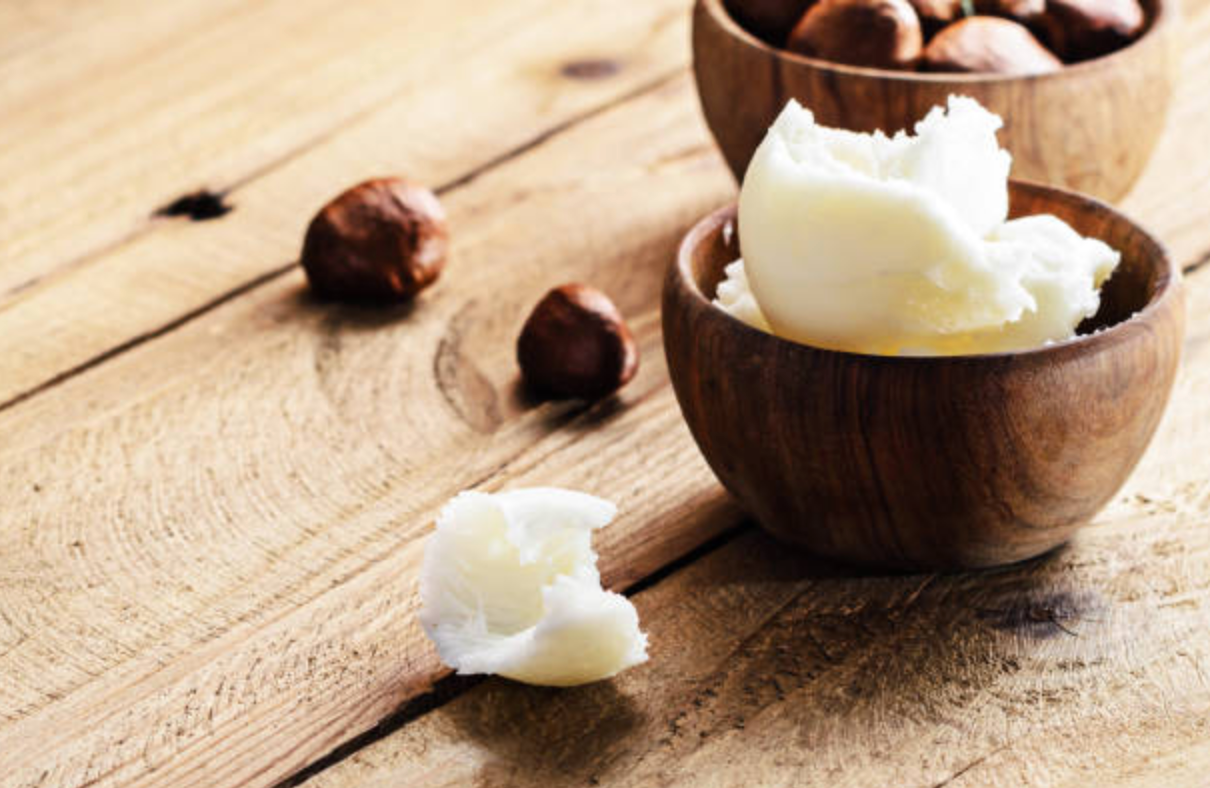
Unrefined shea butter, by contrast, undergoes minimal processing and retains its natural ivory or yellow tone, earthy nutty scent, and more of the naturally occurring vitamins, fatty acids, and plant compounds found in the shea nut.
Both forms of shea butter can help moisturise and soften dry skin. However, many people with eczema-prone or very reactive skin prefer unrefined shea butter because it preserves more of the components associated with barrier support and soothing care, including naturally occurring linoleic acid, vitamins A and E, and cinnamic acid esters.
Another important distinction is concentration. Many mainstream lotions that contain shea butter use it in relatively small amounts alongside water, silicones, synthetic fragrance, and filler ingredients. For more intensive moisture support, especially for dry or eczema-prone skin, products with a higher percentage of shea butter are often preferred.
How to tell the difference:
- Unrefined shea butter is usually ivory to yellowish in colour. Refined shea butter is typically white or cream.
- Unrefined shea has a mild, natural, nutty or earthy scent. Refined shea has little to no scent.
- Unrefined shea can feel slightly grainy before melting into the skin. This is completely normal.
- On an ingredients list, shea butter listed near the top usually indicates a higher concentration in the formula.
At Zawadi Naturals, we use unrefined, African-sourced shea butter because we value keeping the ingredient as close to its natural state as possible while still creating products that feel nourishing and effective on the skin.
A Note for Black and Brown Skin — Because Eczema Does Not Look the Same on Everyone

This deserves its own section, because it is consistently underserved in mainstream eczema guidance.
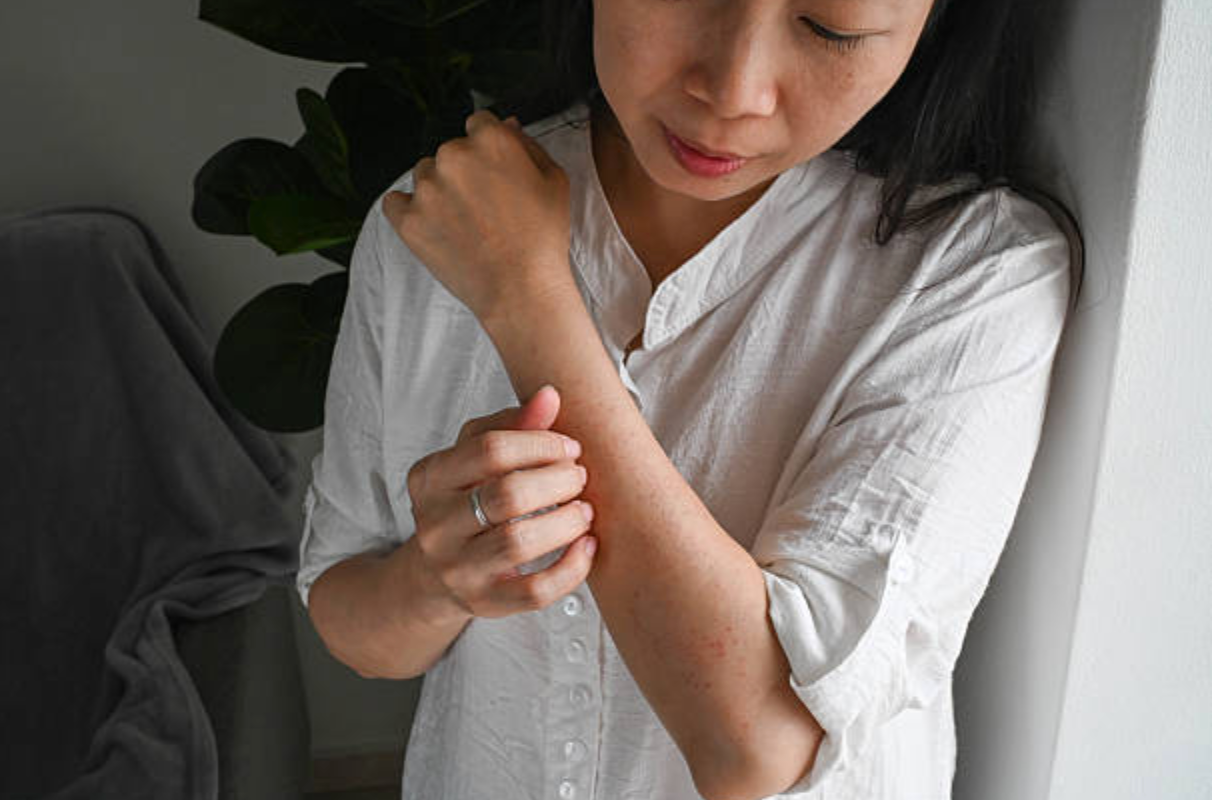
On lighter skin, eczema typically presents as red, inflamed patches. But on Black and Brown skin, eczema looks different, and because most educational materials, product marketing, and even clinical training use images of lighter skin, many people of colour go undiagnosed or misdiagnosed, or feel that the advice they find online simply does not apply to them.
On darker skin, eczema commonly appears as dark brown, purple, or ashen grey patches rather than the classic red rash. It often presents as small raised bumps concentrated around hair follicles, a pattern called follicular or papular eczema, which can look like persistent goosebumps or sandpaper-textured skin on the arms, trunk, and legs. This follicular pattern is significantly more common in people of African and Caribbean heritage.
There is also a compounding problem: when eczema flares and the skin becomes inflamed, scratching releases additional melanin. Because darker skin tones have more active melanocytes, scratching and inflammation more readily produce hyperpigmentation, dark patches that can persist for months after the eczema itself has settled. This is often more distressing than the flare itself, and it is rarely addressed in standard eczema guidance.
This is part of why unrefined shea butter's vitamin E content matters particularly for darker skin. Vitamin E specifically helps prevent and reduce post-inflammatory hyperpigmentation by protecting melanocytes from the oxidative stress that triggers excess pigment production.
How to Actually Use Shea Butter for Eczema — What Makes the Difference

The most important rule: apply to damp skin immediately after bathing
When you step out of a lukewarm bath or shower (hot water is an eczema trigger), your skin is still slightly damp. This is the optimal window to apply shea butter. The occlusive properties create a seal over that moisture, locking it into the skin rather than allowing it to evaporate. If you wait until your skin is fully dry, you are sealing in much less moisture.
Frequency matters more than quantity
Apply twice daily, minimum, morning and evening, every day, including days when your skin looks clear. Barrier repair is a slow, continuous process. Applying an emollient only during flares is like only brushing your teeth when you already have a toothache.
During a flare
For active eczema flares, shea butter works best as a soothing, sealing final step after any prescribed topical treatment. If your GP has prescribed a steroid cream, apply it first and wait 20 minutes before applying shea butter over the top.
For children with eczema
Our Truth Body Butter (Unscented) is the product we recommend for children and babies, with no essential oils and no synthetic fragrance. Apply generously after every bath, all over the body, not just the affected patches.
What to avoid using alongside shea butter
Avoid any products containing synthetic fragrance, sulphates, parabens, or alcohol near eczema-affected skin. Even natural essential oils, lavender, eucalyptus, and tea tree, can be irritating for very reactive skin.
What to Realistically Expect — and What Shea Butter Cannot Do
 Shea butter is not a cure for eczema. No natural ingredient is. Eczema is a chronic condition with a genetic component, and it is managed rather than eliminated.
What consistent use of high-quality, unrefined shea butter can realistically do:
-
Reduce the frequency of flares by maintaining a better baseline barrier function
-
Reduce the intensity of flares when they do occur
-
Relieve itching and discomfort between flares
-
Help fade the post-inflammatory hyperpigmentation that follows flares on darker skin
-
Provide an alternative to petroleum-based emollients with an ingredient that both moisturises and nourishes the skin barrier.
Timeline expectations: most people using unrefined shea butter consistently notice softer, less reactive skin within two to four weeks. Significant barrier improvement takes two to three months of daily use.
The Zawadi Naturals Products to Start With

Truth Body Butter (Unscented)
Fragrance-free, essential-oil-free, built on unrefined shea butter. The safest starting point for very reactive skin, children, and anyone who has had reactions to fragranced products before.
Pink Prestige Whipped Body Butter
Our bestselling body butter for dry and eczema-prone skin. Whipped to a lighter, faster-absorbing texture that doesn't feel heavy or greasy. Naturally scented, best for adults managing dry or eczema-prone skin day-to-day.
Authentic African Black Soap
For cleansing eczema-prone skin without stripping it. Free from synthetic fragrance and harsh detergents, with natural anti-bacterial properties that help protect against secondary skin infections, a common and painful complication of eczema.
The Bottom Line
Is shea butter good for eczema? Yes, specifically unrefined, African-sourced shea butter used consistently and correctly. It addresses eczema at the level it actually needs addressing: the skin barrier.
It delivers the linoleic acid deficient in eczema skin, the anti-inflammatory compounds that calm flares, and the occlusive seal that prevents the moisture loss, driving the itch-scratch cycle.
Not all shea butter products are identical. Refined shea butter is widely used in skincare and still offers moisturising benefits, but unrefined African-sourced shea butter retains more of the naturally occurring compounds that many people look for when supporting dry, sensitive, or eczema-prone skin.
Shop the products mentioned in this post:
Related reading:
-
SHEA BUTTER - AFRICAN BEAUTY INGREDIENTS FOR GLOWING, DEWY SKIN
-
Discover the Magic: How to Use African Black Soap Effectively for Glowing Skin