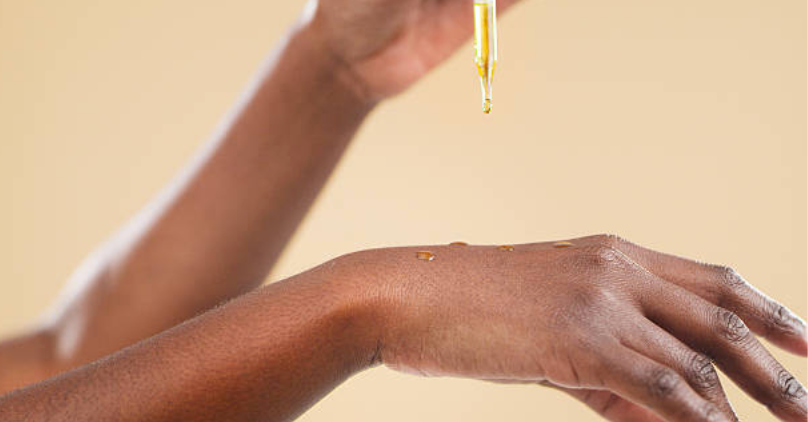

Why Your Skin Behaves Differently in Summer And How to Adjust Your Natural Routine

You have a skincare routine that works. It has worked reliably for months. And then summer arrives and your skin seems to have received a completely different memo. The routine that kept you clear and glowing through winter suddenly has you breaking out, feeling congested, or alternatively, and this one confuses people more, feeling drier than you did when the weather was cold.
If you have ever found yourself standing in front of a mirror in June wondering what you did wrong, the answer is almost certainly: nothing. Summer genuinely does change your skin. The heat, the humidity, the UV exposure, the switch from central heating to air conditioning, the sweat, the sunscreen layers, all of it shifts the conditions your skin is operating in, and a routine built for one set of conditions does not always translate cleanly to another.
The good news is that the adjustments are not complicated. You do not need a completely new routine. You mostly need to understand why things are changing, and then make a few targeted switches that meet your skin where it actually is in the warmer months. Here is what is happening and what to do about it.
What summer actually does to your skin

Your skin is a dynamic organ that responds constantly to its environment. Temperature, humidity, UV levels, pollution, and even the products you use in warmer weather all feed back into how it behaves. Understanding the mechanism behind each change makes the solution obvious.
Heat increases sebum production. Your sebaceous glands are directly stimulated by warmth. As temperatures rise, they produce more sebum, the skin's natural oil. For skin types that already lean oily or combination, this can tip the balance into congestion, enlarged-looking pores, and breakouts. For dry skin types, the extra sebum production might actually make skin feel more balanced, but if the rest of the routine is still calibrated for winter, the increased oil can mix with heavier products and still cause congestion.
Humidity changes how products sit on the skin. In low-humidity conditions, winter in the UK, centrally heated rooms, the skin loses moisture rapidly through trans-epidermal water loss, and richer, heavier products are genuinely needed to compensate. In higher humidity, the skin is surrounded by more moisture in the air, which reduces that loss. Products that felt perfectly absorbing in January can suddenly feel heavy, greasy, or like they are not sinking in at all. This is not the product changing, it is the environment it is working in.
UV exposure increases melanin production. For melanin-rich skin especially, UV exposure triggers the melanocytes, the cells that produce skin pigment, to produce more melanin as a protective response. This is the mechanism behind tanning in lighter skin and behind the darkening of existing hyperpigmentation in darker skin. Any dark spots, post-acne marks, or uneven patches that were fading during winter can appear more prominent in summer, sometimes quite suddenly after a sunny weekend. This is not new damage appearing, it is existing pigmentation being stimulated.
Sweat disrupts the skin's surface balance. Sweat is not just water, it contains salt, lactic acid, urea, and amino acids that sit on the skin surface and interact with everything else: your SPF, your moisturiser, bacteria naturally present on the skin. As sweat mixes with sebum and product residue across the day, it can create a film that blocks pores, encourages bacterial overgrowth, and contributes to breakouts in areas you would not typically experience them, the back, chest, and jawline in particular.
Skin cell turnover slows down in heat. This is less well known but genuinely relevant. The enzymes responsible for natural skin cell shedding, the process that keeps the skin surface fresh, are sensitive to temperature changes. In very hot conditions, this process can be disrupted, leading to a build-up of dead cells on the surface that makes skin look dull, textured, and congested despite regular cleansing. Regular, gentle exfoliation becomes more important in summer, not less.
"Your routine worked in winter because it was right for winter. Summer is a different environment. The skin is not broken, it just needs a different conversation."
Step one — rethink your cleanser

The single most impactful summer switch for most people is moving from their regular cleanser to something specifically designed to handle increased oil, sweat, and congestion, without stripping the skin in the process.
This is where the B.A.E Sea Moss, Charcoal and Tea Tree Facial Bar earns its place. In winter, a gentle cleanser like our African Black Soap is ideal, it cleans thoroughly without removing too much of the natural oil the skin is working hard to hold onto. In summer, when sebum production is higher and sweat and environmental residue are accumulating faster, you need something with more active clearing power.
The B.A.E bar brings three ingredients that are specifically relevant to summer skin together in one product. Activated charcoal sourced from crushed coconut shells is uniquely effective at drawing impurities out of pores through adsorption: it binds to the excess oils, sweat residue, and environmental pollutants that accumulate faster in summer and physically removes them when you rinse. Tea tree oil is anti-bacterial and anti-inflammatory, targeting the bacterial overgrowth that warm, sweaty conditions encourage and reducing the inflammation that leads to breakouts before they form. And sea moss sourced from African and Caribbean islands brings 92 of the 102 essential minerals your skin uses, provides natural hydration, and helps balance oil production so the cleansing process does not trigger the overproduction rebound that harsh cleansers can cause.
One customer described it: her face feels really clean when she uses it, it does not dry out her skin, and the bar lasts well. That combination genuinely thorough cleansing without dryness is exactly what oily and combination skin needs more of in summer. Use it morning and evening. The morning cleanse removes overnight sebum and sweat. The evening cleanse removes the day's sunscreen, pollution, product residue, and everything that has built up in the heat.
A note on double cleansing in summer. If you are wearing SPF daily which you should be, summer is the time to consider double cleansing in the evening. The first cleanse removes SPF and surface-level product. The second cleanse gets to the skin itself. Use the B.A.E bar for both, or use a lightweight oil to dissolve the SPF first before lathering with the bar. This matters in summer because SPF residue left on the skin overnight is one of the more common causes of summer congestion that people cannot identify.
Step two — keep the facial oil, but understand why it works better in summer

Here is where a lot of people go wrong when they see their skin getting oilier in summer: they stop using their facial oil entirely, assuming it is making things worse. This is almost always the wrong move.
Tikiti Luxe Facial Oil is formulated around watermelon seed oil, which has a comedogenic rating of 0 to 1 — it will not block pores regardless of the season or the temperature. What it will do throughout summer is regulate sebum production through its high linoleic acid content, address the increased UV-triggered melanin production through its vitamin C and antioxidant profile, and keep the skin barrier intact despite the increased sweat and cleansing frequency.
In summer the advantage of a facial oil over a conventional moisturiser becomes even more apparent. Most conventional moisturisers are water-based emulsions they feel light when applied but contain emulsifiers and film-forming agents that can trap sweat against the skin in hot conditions. A pure facial oil contains none of these. Applied in three to four drops to slightly damp skin, it absorbs completely, leaves no film, and does not interact with sweat in the way that heavier cream products do. In humidity, this difference is immediately noticeable.
What does change in summer is the order. In winter, applying Tikiti Luxe Facial Oil as your final facial step is enough the oil seals everything in and keeps the barrier intact. In summer, Tikiti Luxe should still be your treatment step, but always follow it with SPF if you are going outdoors. The oil itself does not provide sun protection, but the antioxidants in sea buckthorn and vitamin E reduce the oxidative damage caused by UV exposure meaning Tikiti Luxe and SPF are complementary, not alternatives.
Step three — switch your body product

This is the most significant summer adjustment for most people and the one that makes the biggest immediate difference. The rich, dense body butter that served you perfectly through winter is often too heavy for the warmer months and swapping it out is not abandoning your routine, it is adapting it correctly.
Asaké Rose Bath and Body Oil is the summer body product. Asaké means 'To Pamper' in the Yoruba language, and the formulation lives up to that intention, but at a weight and texture that works with the skin in heat rather than against it. It is built on jojoba oil, organic rosehip, baobab oil, and moringa oil, lightweight, fast-absorbing botanical oils that deliver deep nourishment without the heaviness or the occlusive quality that makes body butter feel uncomfortable in warm weather. Neroli and palmarosa essential oils provide a calming aromatherapy element while contributing anti-inflammatory and skin-balancing properties. Rose and hibiscus petals deliver natural alpha hydroxy acids that gently exfoliate as the oil absorbs, keeping the skin surface clear and bright without a separate exfoliating step.
A customer who bought it at Elys Wimbledon described the scent as gorgeous and said it left her skin feeling really soft, adding that she also uses it on her hair. That versatility, face, body, hair, is part of what makes a body oil the ideal summer product. It distributes evenly, absorbs without residue, and layers beautifully under SPF without the pilling that heavier products can cause.
There are two ways to use Asaké Rose in summer. The first is the standard damp-skin application after showering a few drops massaged into still-moist skin, which absorbs quickly and leaves a natural, non-greasy glow. The second and particularly indulgent is to add a few drops directly into your bath water. The oil disperses across the water surface, coats the skin as you bathe, and you step out already moisturised. This is not just a luxury technique it is an efficient and light-touch way to hydrate all over without the post-bath application step in summer heat.
For very dry skin types in summer, or for evening use in cooler evenings, layering is the answer. Apply Asaké Rose Body Oil to damp skin first, let it absorb for sixty seconds, then apply a light layer of Pink Prestige to the driest areas only typically heels, elbows, knees, and shins. This gives you the lighter daytime texture everywhere while still addressing the areas that genuinely need the richer treatment. Zawadi's own recommendation is to use the oil as the base layer under any of the nourishing body butters for silky soft skin with a radiant glow and this layering approach is particularly effective in the unpredictable British summer, where mornings can be warm and humid but evenings can still turn cool.
A specific note for melanin-rich skin in summer

The summer skincare conversation rarely addresses what is specific to darker skin tones, and it should. Because the experience of summer for Black and Brown skin is not the same as for lighter skin — and the adjustments that matter most are different.
The biggest summer skin concern for melanin-rich skin is not oiliness or breakouts although both can occur. It is the activation of hyperpigmentation. UV exposure directly stimulates melanocytes, and because darker skin tones have more active melanocytes, the pigment response to sun exposure is stronger. Dark spots that had been fading through winter can visibly darken or enlarge within a few days of sun exposure without protection. Post-inflammatory hyperpigmentation from any summer breakouts will also be deeper and more persistent on darker skin.
This is the primary reason antioxidant protection matters so much in summer for Zawadi customers specifically. The sea buckthorn vitamin C in Tikiti Luxe inhibits the tyrosinase enzyme that drives melanin overproduction. The vitamin E in both Tikiti Luxe and Pink Prestige/Asaké Rose neutralises the free radical cascade that UV triggers. Applied consistently in summer every morning before going outdoors this antioxidant protection is working actively against the mechanism that creates hyperpigmentation, not just after the fact.
The hibiscus petals in Asaké Rose are not only for scent. Hibiscus is naturally rich in alpha hydroxy acids gentle, natural exfoliants that help shed the dead, melanin-dense surface cells that accumulate from UV exposure and slow summer cell turnover. Used daily on the body, Asaké Rose is quietly exfoliating and brightening at the same time as it is hydrating which is why consistent summer use results in more even body skin tone by the end of the season.
“Summer on darker skin means more melanin activation, more hyperpigmentation risk, and more need for antioxidant protection. Your routine should reflect that.”
Your full adjusted summer routine

Every morning: cleanse with the B.A.E Sea Moss, Charcoal and Tea Tree Bar, lather well, pay attention to the T-zone and jawline where summer congestion tends to concentrate. Pat dry — not rub. Apply three drops of Tikiti Luxe to damp skin, press in, wait sixty seconds. Apply SPF. You are ready.
Every evening: double cleanse if you have been wearing SPF, a few drops of Asaké Rose Body Oil massaged over the face first to dissolve sunscreen, then the B.A.E bar to cleanse properly. Apply Tikiti Luxe to damp skin. For the body: apply Asaké Rose Body Oil to still-damp skin after showering, focus on even coverage everywhere. On very dry areas, follow with a small amount of Pink Prestige.
Once or twice a week: use the Pineapple Sugar Scrub in the shower before moisturising. Summer's slower cell turnover makes regular exfoliation more important. The pineapple bromelain enzyme dissolves dead surface cells without the abrasion that can inflame already heat-stressed skin. Follow immediately with Asaké Rose Body Oil while skin is still damp.
That is it. Three products active daily, one weekly addition. The switches from Pink Prestige to Asaké Rose, and from African Black Soap to B.A.E bar, are the two adjustments that do the most work. Everything else stays the same.
The summer skincare mistakes that make things worse

Stripping your skin because it feels oily. Using harsh, foaming cleansers more frequently in summer makes sebum overproduction worse, not better. The skin reads stripped as depleted and compensates by producing more. A deeper-cleaning bar like B.A.E clears thoroughly without that cycle.
Dropping moisturiser entirely. This is Reddit's most common summer skin mistake. The skin still needs nourishment in summer — it just needs a different texture. Switching to an oil rather than stopping moisturising altogether is the right move.
Skipping SPF because you have darker skin. Darker skin is not immune to UV damage, it is less susceptible to burning but fully susceptible to hyperpigmentation, uneven tone, and photoageing. SPF in summer is non-negotiable for everyone, regardless of skin tone.
Using your winter routine unchanged and blaming the products. The products have not changed. The environment has. A rich body butter that was perfect in February is not failing you in June — it is just the wrong product for the current conditions. Asaké Rose in summer, Pink Prestige in winter. Same brand, same trust, different formulas for different seasons.
Frequently Asked Questions
Q: Why does my skin break out more in summer even though I am not changing my routine?
A: Your routine has not changed — but your skin's environment has. Heat increases sebum production, sweat mixes with existing products and bacteria, and higher UV exposure triggers inflammation. Your winter routine was calibrated for different conditions. Switching to the B.A.E Sea Moss Charcoal bar for summer cleansing, and keeping Tikiti Luxe as your lightweight facial treatment, addresses all three of these factors simultaneously.
Q: Should I stop using body butter completely in summer?
A: Not completely — but switching from a whipped body butter to a body oil for most of the body makes a significant difference in summer. Asaké Rose Body Oil delivers the same nourishment as Pink Prestige in a lighter texture that absorbs faster, does not feel heavy in the heat, and layers under SPF without pilling. Keep Pink Prestige for the driest areas, heels, elbows, knees and use Asaké Rose everywhere else.
Q: Can I add Asaké Rose Body Oil to my bath water?
A: Yes — and it is one of the nicest ways to use it, particularly in summer. Add a few drops to warm bath water, let it disperse, and soak for ten to fifteen minutes. The oil coats the skin as you bathe and you step out lightly moisturised without needing a separate post-bath application. The hibiscus and rose petals also release their natural AHAs into the water, providing gentle surface exfoliation as you soak.
Q: My skin is drier in summer than winter — why does that happen?
A: This is less common but it does happen, usually for one of three reasons. Air conditioning strips moisture from the air as aggressively as central heating, spending long hours in air-conditioned offices or transport can leave skin chronically dehydrated. Increased swimming in chlorinated water is another cause. And some people's skin barrier is genuinely more reactive to sun exposure than to cold. If this is you, keep Pink Prestige in rotation alongside Asaké Rose rather than switching entirely, apply Asaké to normal areas and Pink Prestige to areas that feel parched.
Q: How does Tikiti Luxe hold up in hot weather under SPF?
A: Very well. Because Tikiti Luxe is a pure botanical oil with no water-based ingredients or emulsifiers, it absorbs completely before SPF is applied and does not interfere with sunscreen application or performance. Apply Tikiti Luxe to damp skin, wait sixty seconds for full absorption, then apply your SPF. The two layers work independently, the oil treating the skin, the SPF protecting it.
Q: The B.A.E bar has tea tree in it — is it too drying for daily summer use?
A: The concentration of tea tree oil in the B.A.E bar is formulated for daily use without dryness. The sea moss in the bar counteracts the tea tree's drying tendency by delivering mineral-rich hydration as the bar cleanses, this is specifically why the formulation includes both ingredients. Customer feedback consistently notes that the bar leaves skin feeling clean without tightness. If you have particularly sensitive or reactive skin, do a patch test first and start with once daily rather than twice.
Related Reading
-
What Order to Apply Natural Skincare Products: The Simple 3-Step African Routine
-
Shea Butter for Hyperpigmentation: How Vitamins A and E Fade Dark Spots Naturally
-
Why Your Moisturiser Sits on Top of Your Skin Instead of Absorbing
-
Using a Facial Oil on Oily Skin Sounds Wrong — Here's Why It's Actually Brilliant
Has your skin been playing up since the weather changed? Leave a comment below — tell us your skin type and what is happening and we will point you to exactly the right summer adjustments for you.