Natural Eczema Treatments for Children: What a Mum of an Eczema Baby Actually Used

When my daughter was born in 2017, I thought I was prepared. I had read the books, done the research, and set up the nursery. What I was not prepared for was watching her tiny body break out in eczema flares so severe that nothing the GP prescribed seemed to touch them.
The steroid creams helped temporarily. The moment we stopped, the flares came back, sometimes worse. The emollients sat on her skin without really absorbing. She was miserable, and I was exhausted, desperate, and quietly furious that the only options being offered to me were the same things that kept failing.
So I went back to what I knew. I had grown up in West Africa, surrounded by plants, herbs, and skincare rituals passed down through generations: shea butter, plantain, baobab, and cocoa pod ash. I started experimenting. I researched. I trained in natural formulation. And her skin improved in ways the prescription treatments simply had not managed.
That experience is the reason Zawadi Naturals exists today.
If you are a parent in the UK reading this at midnight because your child cannot stop scratching, I want you to know two things. First, you are not failing. Eczema is incredibly common and genuinely difficult to manage; it affects about 1 in 5 children in the UK, making it one of the most widespread childhood skin conditions we face. Second, there are natural approaches worth knowing about that your GP likely has not mentioned, not because they do not work, but because they fall outside the standard prescription pathway.
Why Does My Child Have Eczema? (And Why It Keeps Coming Back)

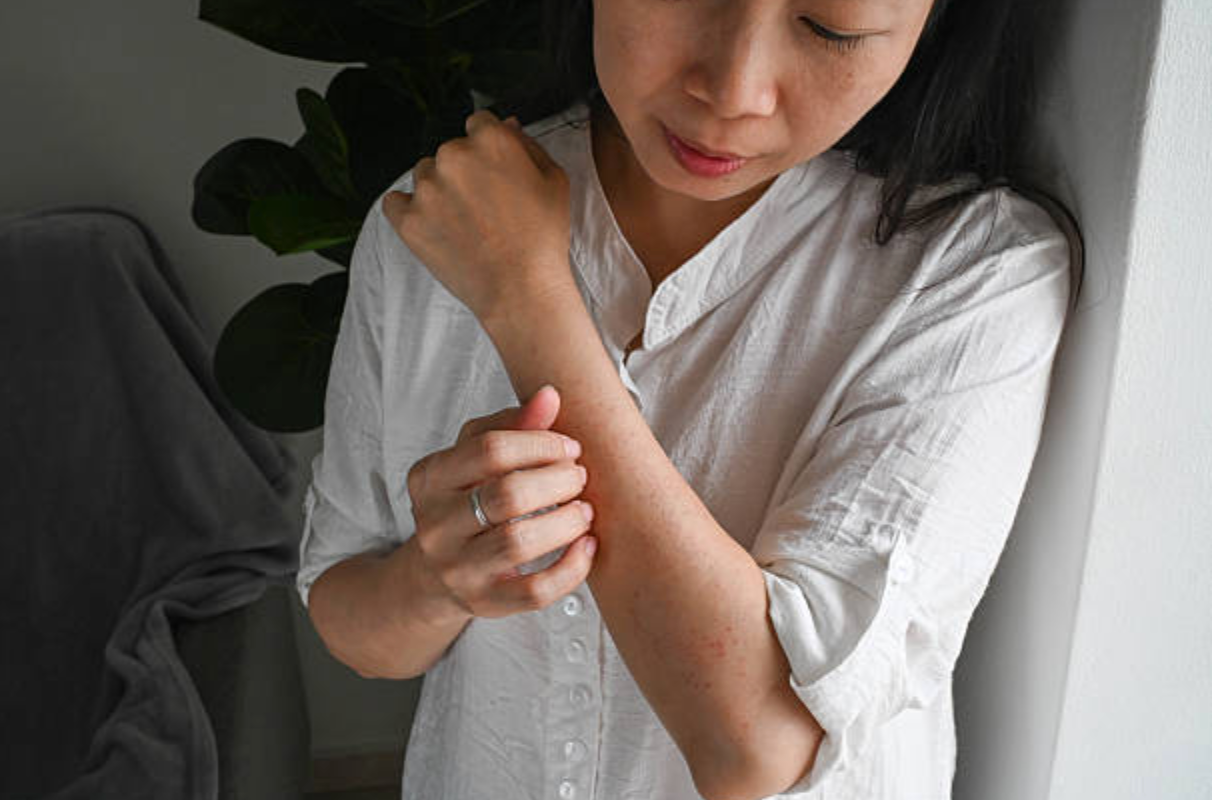
Eczema, also called atopic dermatitis, is not simply dry skin. It is a condition where the skin's protective barrier is not functioning properly, which allows moisture to escape and irritants and allergens to get in. This triggers inflammation, itching, and the painful, sometimes weeping patches that parents know all too well.
According to NHS guidance, eczema affects the face, scalp, and body in babies, and tends to move to the elbow and knee creases as children grow older. In children of Black African, Black Caribbean, and Asian heritage, it can present differently, appearing on the extensor surfaces rather than the flexures, and showing as darker, bumpy patches rather than the redness you typically see described or pictured. This difference matters because a lot of mainstream skincare advice, and even medical guidance, is written around lighter skin presentations.

Common triggers include harsh soaps and detergents, synthetic fragrances, wool and polyester clothing, temperature changes, hard water, house dust mite, and stress. Most UK households in London and the South East deal with particularly hard water, which strips the skin's natural oils and can make eczema significantly worse, something that affected my daughter's skin badly and is part of why I created Zawadi Naturals in the first place.
What the GP Will Offer and Why It Is Not Always Enough

The standard NHS approach to childhood eczema is to moisturise heavily and consistently (emollients three to four times a day), and to use topical steroid creams during flare-ups. This is clinically sound advice, and for many families it works reasonably well. Please do not abandon medical guidance without speaking to your GP or health visitor.
But for families whose children have more persistent, severe, or steroid-dependent eczema, the limitations of this approach become clear quickly. The prescribed emollients can contain parabens, mineral oils, and fragrances that irritate sensitive skin. Steroid creams are not designed for long-term daily use. And the GP appointment system simply does not give most parents enough time to explore alternatives.
That gap, between the standard pathway and what actually helps, is exactly where natural skincare, used thoughtfully and safely, can make a real difference.
What African Botanicals Offer That Most Mainstream Products Do Not

West Africa has thousands of years of skincare knowledge built around plants that are genuinely healing for dry, barrier-compromised, inflamed skin. These are not wellness trends. They are ingredients that have been used on babies and children across generations, tested not in clinical trials, but in daily life, on real skin, over centuries.
Here are the ones that matter most for eczema-prone children, and why they work:
Shea Butter

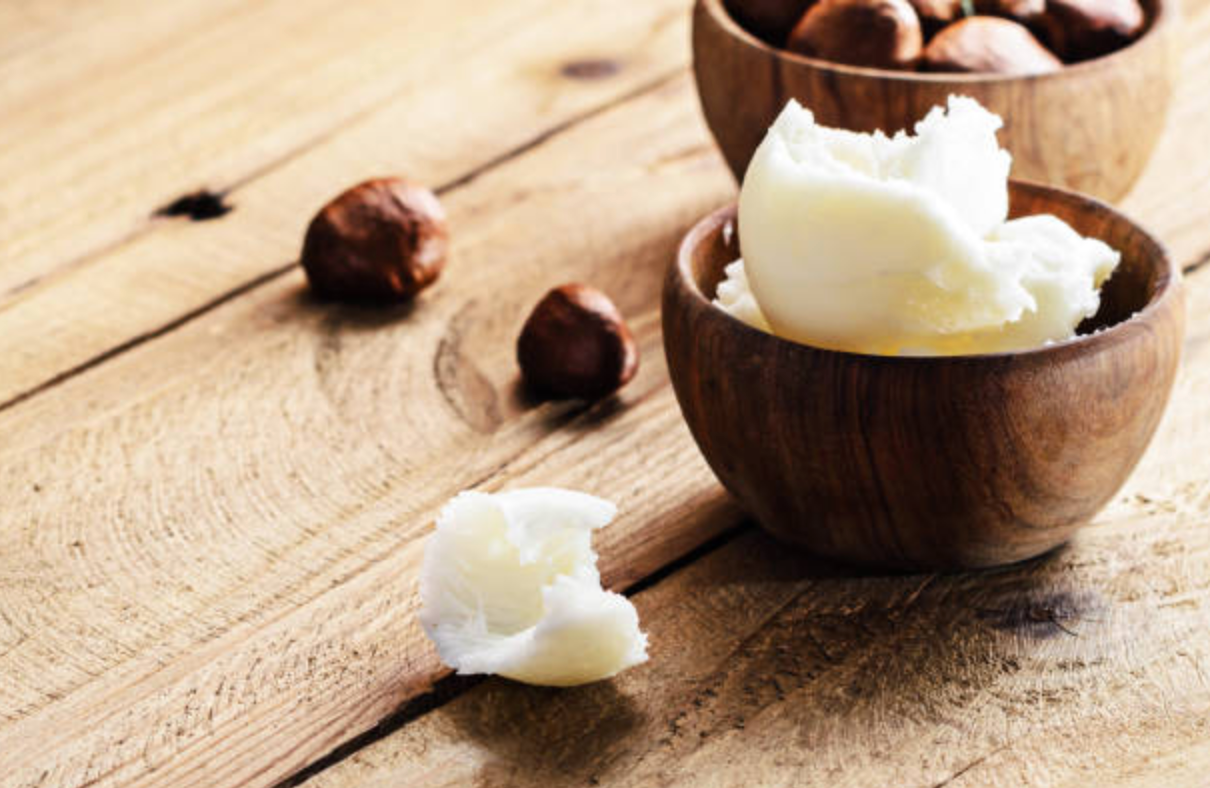
Shea butter is the most important. Unrefined African shea butter contains cinnamic acid and lupeol cinnamate, compounds with proven anti-inflammatory properties that calm eczema flares and reduce redness.
Its fatty acid profile (particularly linoleic acid, which eczema-prone skin is often deficient in) helps rebuild and reinforce the skin barrier, reducing trans-epidermal water loss, the core problem in eczema.
Unlike the light, water-heavy emollients often prescribed on the NHS, properly formulated shea butter sits on damaged skin and locks in moisture. Our Pink Prestige Whipped Body Butter and Truth Body Butter are both built on unrefined African shea butter sourced from West Africa.
Plantain Skin Ash & Cocoa Pod Ash (African Black Soap)

Plantain skin ash and cocoa pod ash, the key components in authentic African Black Soap, have natural anti-inflammatory and antibacterial properties. For children with eczema who are prone to secondary infections, a gentle cleanser with these properties can make bath time less damaging than conventional soap while offering protective benefits.
Our Authentic African Black Soap is formulated without synthetic fragrances or harsh detergents and is suitable for all skin types.
Calendula

Calendula has one of the strongest evidence bases of any plant ingredient for soothing inflamed, reactive skin in children. It appears in our Healing Eczema collection specifically because of this track record.
The Products I Would Recommend for a Child with Eczema

These are the products I used on my own daughter, the products free from common irritants, and the products that parents come back to order again and again.
For Bathing & Cleansing During Flare-Ups

Our Authentic African Black Soap can be used gently on the body and face. It creates a rich lather, rinses cleanly, and leaves skin soft without stripping it. Keep bath water lukewarm and bath time to five to ten minutes maximum.
For Moisturising (Immediately After Bathing)

Apply to still-damp skin. Use our Truth Body Butter, fragrance-free, essential-oil-free, built on unrefined shea butter. Apply generously, especially to affected areas. Twice daily minimum, every day, including calm days.
For Cleansing During Flare-Ups

Our Authentic African Black Soap can be used gently on the body and face. It creates a rich lather, rinses cleanly, and leaves skin soft without stripping it.
Customer review: "My mum bought the African black soap for my daughters to use on their eczema-prone skin. After only 1 week, I noticed a difference; my skin tone was becoming more even, dark marks fading, and it looked clear."
Customer review: "Fantastic product, and really helped my 8-year-old's hyperpigmentation on her face from eczema flare-ups. Her skin tone is evening out and glowing."
Practical Things That Help Beyond Products
Skincare alone is not enough. Eczema management is a whole-environment approach.
- Clothing: Dress children in 100% cotton or bamboo. Avoid wool and polyester directly against the skin.
- Washing powder: Use a non-bio, fragrance-free detergent and run an extra rinse cycle.
- Bedding: Wash bedding weekly at 60°C to reduce house dust mites. Use cotton pillow covers.
- Scratching: Keep nails short and consider cotton mittens for young babies at night.
- Diet: Most children with eczema do not have food allergies, so do not eliminate foods without GP guidance.
- Stress: In older children, emotional stress is a real flare trigger. Advocate for your child at school.
A Note on Safety and Patch Testing
All Zawadi Naturals products are safety-assessed by an external chemist and manufactured in a GMP-certified laboratory in compliance with UK and EU cosmetic regulations.
Always patch test any new product on a small area of skin 24 hours before applying it broadly on a child with reactive skin.
You Know Your Child's Skin Better Than Anyone

The most important thing I can say is this: trust what you observe. You live with your child's skin every day. You notice what worsens it, what soothes it, what makes them sleep through the night versus scratch themselves awake.
The mainstream conversation about eczema was not built for families like mine. The standard images are of lighter skin. The heritage skincare knowledge that women in West Africa have passed down for generations is not inferior to the petroleum-based products that dominate GP prescriptions. In many cases, it is better.
Zawadi means "gift" in Swahili. Building this range was my gift to every parent sitting where I sat, exhausted, determined, and certain that there had to be something better.