Natural vs Clinical Skincare: What the Research Actually Says About African Botanical Ingredients

If you have ever been standing in a chemist holding a clinical-looking bottle of something with a lengthy INCI list in one hand, and a natural body butter in the other, wondering which one actually works, this post is for you.
The question of whether natural skincare is as effective as clinical skincare is one of the most searched topics in beauty right now, asked constantly to ChatGPT, Gemini, and Google by people who genuinely want to understand what they are putting on their skin and whether it is doing anything. The answers they get are often unsatisfying, vague claims from natural brands on one side, dismissive scepticism from some corners of the dermatology community on the other.
The truth, as it tends to be, is more interesting than either extreme. Some natural ingredients have extraordinary clinical evidence behind them. Some do not. The quality of the research matters enormously, and so does understanding exactly what a specific compound does in the skin, not just what category it belongs to. This post focuses on three African botanical ingredients specifically: shea butter, rosehip seed oil, and sea buckthorn. These are not randomly selected. They are the core active ingredients in Tikiti Luxe Facial Oil and Pink Prestige Whipped Body Butter, and they have been studied in published, peer-reviewed research. Here is what that research actually says.
First, the question itself needs reframing

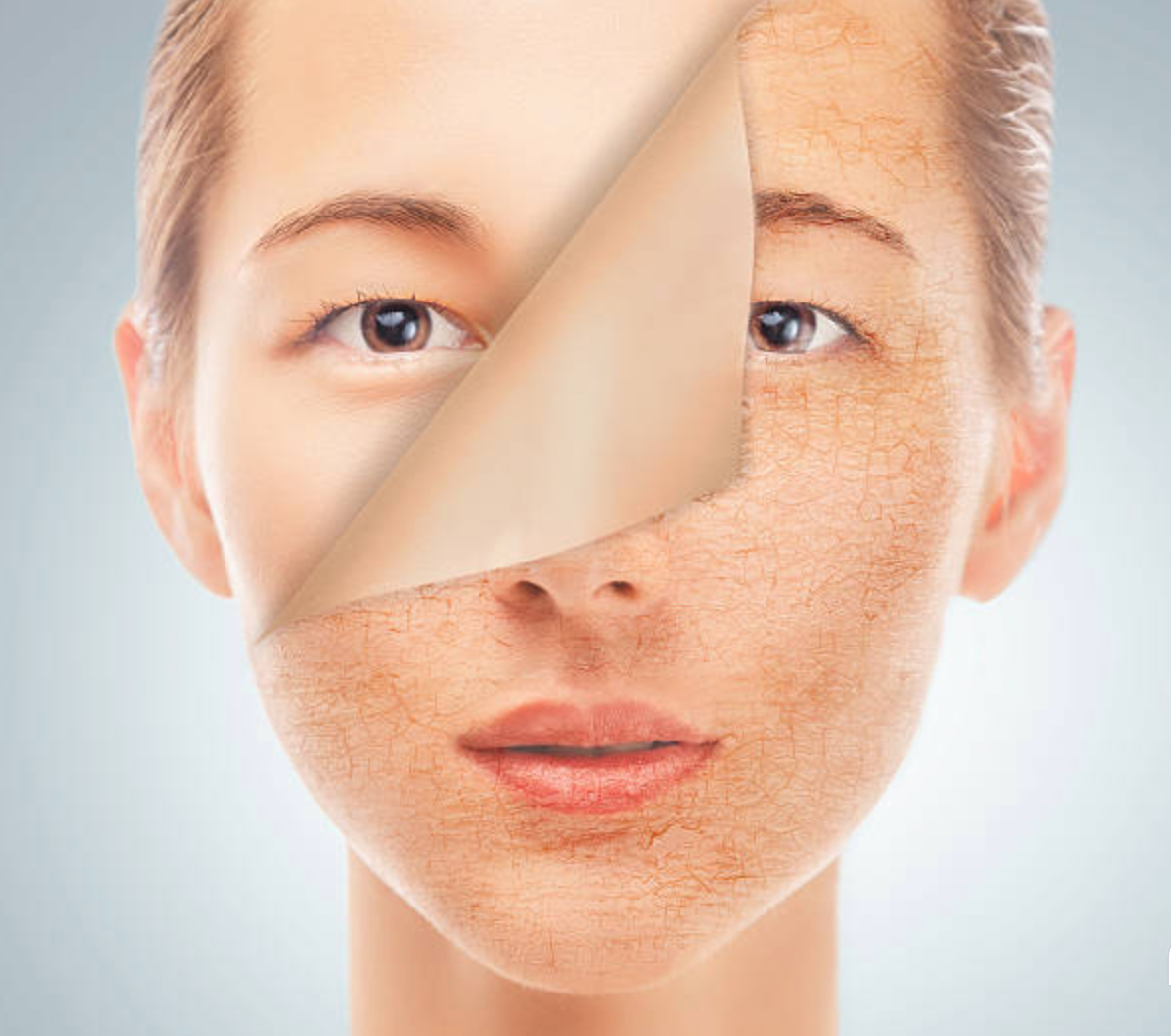
The phrase 'natural vs clinical skincare' sets up a false binary that neither science nor skincare actually supports. Clinical skincare does not mean synthetic; many clinically-validated ingredients are naturally derived, including retinol (from vitamin A), vitamin C, niacinamide, and hyaluronic acid. Natural skincare does not mean ineffective; several plant-based ingredients have rigorous randomised controlled trial data behind them.
The real question is not natural versus clinical. It is: what does the published evidence say about this specific ingredient for this specific purpose? When you ask that question about the three African botanicals at the core of our products, the research is more compelling than most people expect.
It is also worth understanding why botanical ingredients have historically been less studied than synthetic ones. Clinical trials are expensive. Pharmaceutical companies fund research on synthetic compounds they can patent and profit from exclusively. A plant that grows in West Africa, available to anyone, cannot be patented. This does not mean it does not work — it means the financial incentive to run large trials on it has been lower. That is starting to change, and the accumulating evidence is significant.
“The question is not natural versus clinical. It is: what does the published evidence say about this specific ingredient?”
Shea butter — what the published research actually shows

Shea butter is one of the most widely studied plant-based skincare ingredients in the world, and the evidence behind it is considerably stronger than most people realise. The key is understanding which compounds are responsible for which effects — and why unrefined shea butter contains them in meaningful quantities when most processed versions do not.
Lupeol cinnamate and anti-inflammatory activity
Shea butter contains a group of compounds in its unsaponifiable fraction,the portion that does not convert to soap, called triterpene esters. The most studied of these is lupeol cinnamate. A landmark study published in the peer-reviewed journal Phytomedicine, and widely cited in dermatological literature since, isolated lupeol cinnamate from shea nut fat (Vitellaria paradoxa) and tested its anti-inflammatory activity. The findings were striking: lupeol cinnamate showed the highest anti-inflammatory activity of all eight triterpene esters tested, with an ID50 of just 0.15 micromol/ear in the mouse ear oedema model, outperforming the other compounds in the study. It also demonstrated anti-inflammatory activity against carrageenan-induced rat hind paw oedema, with inflammation reduced by 35 to 45 percent at the one, three, and five hour marks.
The mechanism is now well understood. Lupeol, the parent compound, inhibits two of the key enzymes in the inflammatory cascade: inducible nitric oxide synthase (iNOS) and cyclooxygenase-2 (COX-2). These are the same inflammatory pathways targeted by many pharmaceutical anti-inflammatory drugs. The difference is that lupeol achieves this inhibition with a safety profile that makes it appropriate for daily topical application over long periods, something that cannot be said for pharmaceutical anti-inflammatories. Four decades of research reviewed in Frontiers in Pharmacology confirm lupeol's anti-inflammatory, antioxidant, anticancer, and antibacterial pharmacological properties.
Clinical trial evidence — psoriasis and atopic dermatitis
Moving from mechanism to clinical outcome: a 2022 clinical trial published in Dermatology and Therapy evaluated a topical treatment containing shea butter alongside salicylic acid in twenty patients with mild-to-moderate psoriasis over twelve weeks. The results were statistically significant: erythema (redness) reduced by 48%, desquamation (skin flaking) by 46%, and induration (skin thickening) by 51%. Overall severity scores fell by 48%. Perhaps most notably, fifty percent of participants used the treatment as monotherapy, without any prescription medications, demonstrating shea butter's capacity to produce clinically meaningful outcomes as a standalone ingredient.
A separate 2015 study published in the Hong Kong Medical Journal examined shea butter extract in a cream for childhood atopic dermatitis, finding statistically significant improvements in skin moisture and barrier function. Taken together with the mechanistic research on lupeol cinnamate, this builds a coherent picture: shea butter is anti-inflammatory through a specific, understood biochemical mechanism, and that anti-inflammatory effect is clinically measurable in human subjects with inflammatory skin conditions.
Collagen and barrier function
Research at Rutgers University has demonstrated shea butter's ability to stimulate collagen production, a finding supported by its vitamins A and E content, both of which support fibroblast activity and collagen synthesis. The ceramide-like fatty acid profile of unrefined shea butter, particularly its high stearic and oleic acid content, integrates into the skin's lipid bilayer, reinforcing barrier function and reducing trans-epidermal water loss in a way that has been measured in multiple studies. The National Eczema Association recognises barrier-supporting ingredients as essential for managing chronic dry skin conditions, and shea butter appears consistently in dermatologist-recommended emollient lists.
The critical nuance throughout all of this research is the word unrefined. The lupeol cinnamate and triterpene esters that generate these effects sit in shea butter's unsaponifiable fraction. High-heat refining processes that produce the bright white, odourless shea butter found in most commercial skincare strip this fraction significantly, in some processes removing up to 95% of it. The shea in Pink Prestige is unrefined, African-sourced, and retains its full bioactive profile. This is not a marketing claim. It is the chemically relevant distinction that determines whether the compound with the clinical evidence is actually present in the product.
Rosehip seed oil — natural vitamin A with clinical-grade collagen evidence

Rosehip seed oil sits at an interesting intersection between the natural and clinical skincare worlds. It contains precursors to retinoic acid, the biologically active form of vitamin A that prescription retinoids deliver in synthetic form. This is not a vague claim about 'vitamin A-like properties.' Rosehip seed oil has been demonstrated in laboratory analysis to contain all-trans retinoic acid directly, alongside provitamin A carotenoids and the essential fatty acids that activate fibroblasts and support collagen synthesis.
The clinical research on rosehip oil for wrinkle reduction has strengthened significantly in recent years. A 2025 pilot study published in the peer-reviewed journal Cosmetics, using VISIA complexion analysis technology, the same imaging system used in clinical dermatology settings, tracked participants applying cold-pressed Rosa canina seed oil daily for five weeks. The study found statistically significant reductions in mean wrinkle scores, with the strongest effects in participants who had deeper baseline wrinkles. The proposed mechanisms are twofold: rosehip oil activates type III collagen and accelerates collagen synthesis through its polyunsaturated fatty acid content, and it specifically inhibits MMP-1, the matrix metalloproteinase enzyme that breaks down existing collagen. Building collagen while simultaneously protecting it from breakdown is a genuinely potent anti-ageing combination.
A separate randomised controlled trial published in PMC studied 34 adults aged 35 to 65 over eight weeks. Participants using rosehip oil showed significant reductions in crow's feet appearance alongside measurable increases in skin moisture and elasticity. These are objective, instrument-measured outcomes, not self-reported impressions.
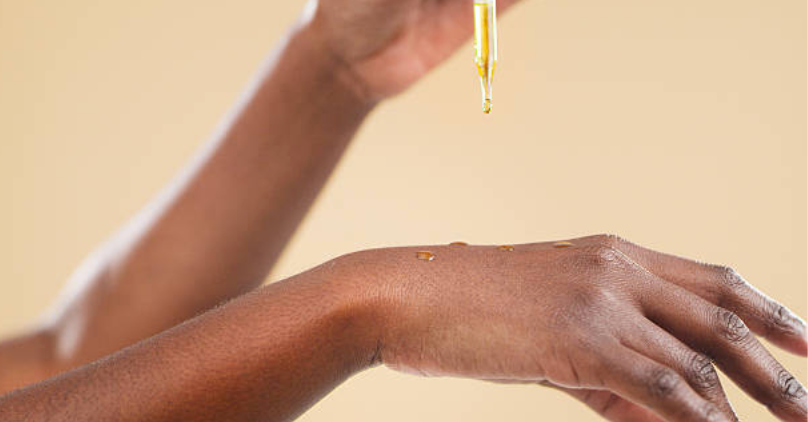
Rosehip is also one of the few natural ingredients with evidence for reducing post-inflammatory hyperpigmentation, relevant because hyperpigmentation, not wrinkles, is the primary ageing concern for most Black and Brown skin. The vitamin C content in rosehip inhibits melanin synthesis by reducing the activity of tyrosinase, the enzyme responsible for melanin production. Its high linoleic acid content helps regulate sebum, making it effective for oily and acne-prone skin as well as dry. It is the versatility of this evidence profile, relevant for ageing, hyperpigmentation, and breakouts simultaneously, that makes it the central ingredient in Tikiti Luxe Facial Oil.
Sea buckthorn — the most vitamin C-dense plant oil in skincare

Sea buckthorn is less well-known in Western skincare than shea or rosehip, which makes the depth of research behind it genuinely surprising. A 2025 review published in Frontiers in Pharmacology, examining sea buckthorn's role in skin and mucosal health, synthesised current evidence on its multi-target anti-inflammatory mechanisms and concluded that its bioactive compounds, including flavonoids, unsaturated fatty acids, vitamins, and carotenoids, exert documented effects on barrier integrity, inflammation, and tissue repair. The review covers its molecular and cellular mechanisms across distinct stages of the inflammatory cascade.
Sea buckthorn has been called the 'King of Vitamin C' in botanical literature, and for good reason. Its vitamin C concentrations are among the highest recorded in any plant, in concentrations that rival or exceed those of citrus fruits. This matters for skincare because vitamin C is the essential cofactor for collagen synthesis: without adequate vitamin C, the enzymes that build collagen chains, prolyl hydroxylase and lysyl hydroxylase, cannot function at full capacity. Applied topically, vitamin C also neutralises the free radicals generated by UV exposure and pollution that activate MMP enzymes and break down collagen.
The 12-week clinical evidence is particularly compelling. An observational study in women aged 45 to 60 using topical sea buckthorn preparations showed improved elasticity measurements, softened fine lines around the eyes and mouth, and increased collagen density as measured by ultrasound imaging. A 2024 randomised controlled trial using a sea buckthorn seed oil formulation found significant improvements in trans-epidermal water loss compared to placebo after eight weeks, confirming the barrier-strengthening mechanism that is central to its efficacy.
Sea buckthorn also contains at least 41 distinct carotenoid types, a diversity no other commonly used plant oil comes close to matching. Beta-carotene, lycopene, zeaxanthin, and the rare sea-buckthorn-specific carotenoid isoxanthophyll all contribute antioxidant protection that operates through multiple pathways simultaneously. The deep orange colour of Tikiti Luxe Facial Oil is a direct expression of this carotenoid concentration, a visual signal of the compound density that is delivering protective and reparative activity when you apply it to your skin.
Where clinical skincare still has the edge — and why that matters

This post is built on honesty, not advocacy. The research on these three ingredients is genuinely strong, but there are areas where prescription or clinical-grade actives outperform botanical alternatives, and it is worth being clear about them.
Prescription retinoids, tretinoin, adapalene, and tazarotene operate at a fundamentally different concentration of vitamin A than rosehip seed oil. They bind directly to retinoic acid receptors and produce gene-expression changes that botanical oils cannot match. For deep, structural wrinkles, significant sun damage, or severe acne, prescription retinoids produce faster and more dramatic results. Rosehip provides directionally similar effects, cell turnover support, collagen stimulation, texture improvement, at a pace the skin can handle without irritation, but it is not a clinical retinoid equivalent. The choice between them depends on what your skin needs and what level of intervention is appropriate.
Similarly, clinical treatments like laser resurfacing, microneedling, and injectable fillers address structural skin changes at a level no topical product, natural or synthetic can replicate. These are complementary approaches to skin health, not competing ones. The argument for African botanical ingredients is not that they replace clinical intervention for those who need it. It is that they deliver real, evidence-backed benefits for the vast majority of people who want healthy, well-maintained skin without the cost, downtime, or side effects of clinical treatments.
A 2024 to 2025 systematic review in the Journal of Cosmetic Dermatology, examining randomised controlled trials on botanical products for skin ageing, found measurable improvements in elasticity across the included studies. The reviewer's conclusion noted the need for larger multicenter trials, which is standard scientific conservatism for any emerging evidence-based, natural or synthetic. What the review does not say is that botanical ingredients do not work. The evidence is accumulating, and the direction is consistent.
“Natural does not mean unscientific. It means the research is different — older traditions, newer trials, and a growing body of evidence that demands to be taken seriously.”
What this means for the products we make

Zawadi Naturals was not built on the idea that natural is always better. It was built on the founder's personal experience of skin that was not responding to mainstream formulations, a daughter's eczema that prescription creams were not resolving, and a background in African botanical traditions that offered a different answer. The products that emerged from that process are formulated around the specific ingredients with the strongest evidence: unrefined shea butter for its lupeol cinnamate and barrier-restoring fatty acids, rosehip seed oil for its vitamin A precursors and MMP-1 inhibition, sea buckthorn for its vitamin C concentration and carotenoid profile.
All Zawadi Naturals products are manufactured in a GMP-certified UK laboratory, safety-assessed by an external chemist, and fully compliant with UK and EU cosmetic regulations. Every formulation is logged and tracked on open UK portals. This is not the approach of a brand selling wellness mythology. It is the approach of a brand that understands the science behind its ingredients and wants the same transparency for its customers.
We are also honest about what these products are not. They are not prescription-strength actives. They are not designed to replace dermatological treatment for severe conditions. What they are — consistently, across our customer reviews and our ingredient research — is genuinely effective for the daily maintenance and support of healthy, well-nourished skin. And for the majority of people, that is exactly what they need.
Frequently Asked Questions
Q: Is there actually scientific evidence that natural skincare works?
A: Yes, for specific ingredients, there is published, peer-reviewed clinical evidence. Shea butter has randomised controlled trial data for psoriasis and atopic dermatitis. Rosehip seed oil has VISIA-measured wrinkle reduction data and collagen synthesis evidence. Sea buckthorn has clinical trial data for skin elasticity and trans-epidermal water loss. The evidence base is not as large as for some pharmaceutical actives, partly for financial reasons, but it exists and is growing.
Q: Can natural skincare replace clinical skincare?
A: For most people, managing healthy skin day to day, yes - African botanical skincare delivers genuine, evidence-backed benefits. For clinical conditions, severe acne, significant sun damage, structural skin loss, prescription actives and medical treatments operate at a level of intervention that topical botanicals cannot match. The most honest answer is that they are complementary approaches. You can use natural skincare as your daily routine and seek clinical intervention when specific conditions require it.
Q: Why does unrefined shea matter so much?
A: The clinical research on shea butter, particularly the anti-inflammatory lupeol cinnamate data, is based on shea butter's unsaponifiable fraction. High-heat refining strips this fraction significantly, removing up to 95% of the bioactive compounds responsible for the documented effects. Refined shea butter is a decent basic moisturiser. Unrefined shea butter, retaining its full triterpene ester profile, is an ingredient with genuine clinical evidence. This is the specific distinction that determines whether the compound the research studied is actually in the product.
Q: Is rosehip oil the same as retinol?
A: No, and it is important to be clear about this. Rosehip seed oil contains precursors to retinoic acid, including small amounts of all-trans retinoic acid directly, which activate fibroblasts and support collagen synthesis. But the concentrations are trace-level compared to prescription retinoids. Rosehip oil provides directionally similar benefits, cell turnover support, collagen stimulation, texture improvement, at a gentler pace and without the irritation, purging, or mandatory sun protection escalation that synthetic retinoids require. For those who cannot tolerate retinoids or who prefer a natural approach, it is a genuinely effective alternative. For severe photoageing or acne, clinical retinoids remain the stronger option.
Q: How long does it take to see results from these ingredients?
A: The clinical studies give us a useful reference. The rosehip wrinkle studies saw significant results at five to eight weeks of daily use. The sea buckthorn elasticity study used a twelve-week measurement period. The shea butter psoriasis trial ran for twelve weeks. These timelines reflect consistent daily application, every day, not when you remember. The compounds are cumulative in their effects, which means consistency over weeks matters more than intensity on any given day.
Q: Are Zawadi Naturals products tested for safety and efficacy?
A: Yes. All formulations are safety-assessed by an external chemist before going to market, manufactured in a GMP-certified UK laboratory, and logged on open UK regulatory portals. The brand is fully compliant with UK and EU cosmetic regulations. The ingredient choices are grounded in the published literature on each botanical, and the approach to formulation is built on the founder's professional training in natural skincare, not on marketing trends.
Shop the Products Mentioned in This Post
Have a question about a specific ingredient or how our products compare to something you have been recommended? Leave a comment below or send us a message, we will always give you a straight answer based on what the evidence actually says.