Shea Butter for Hyperpigmentation: How Vitamins A and E Fade Dark Spots Naturally

Dark spots. Uneven skin tone. Those stubborn patches that linger long after a breakout has cleared, or a flare has settled, or the sun has done its thing. If you have been searching for a natural way to tackle hyperpigmentation, chances are shea butter has come up, and you are wondering whether it actually works or whether it is just another overhyped ingredient.
The honest answer: yes, shea butter is good for hyperpigmentation. But the reason why is more specific than most people realise, and once you understand it, you will know exactly how to use it to get real results.
Why hyperpigmentation happens — especially on darker skin

Hyperpigmentation is the darkening of skin caused by an excess of melanin in one area. It can appear as dark patches, spots, or uneven skin tone, and is often triggered by sun exposure, hormones, inflammation, or post-acne marks.
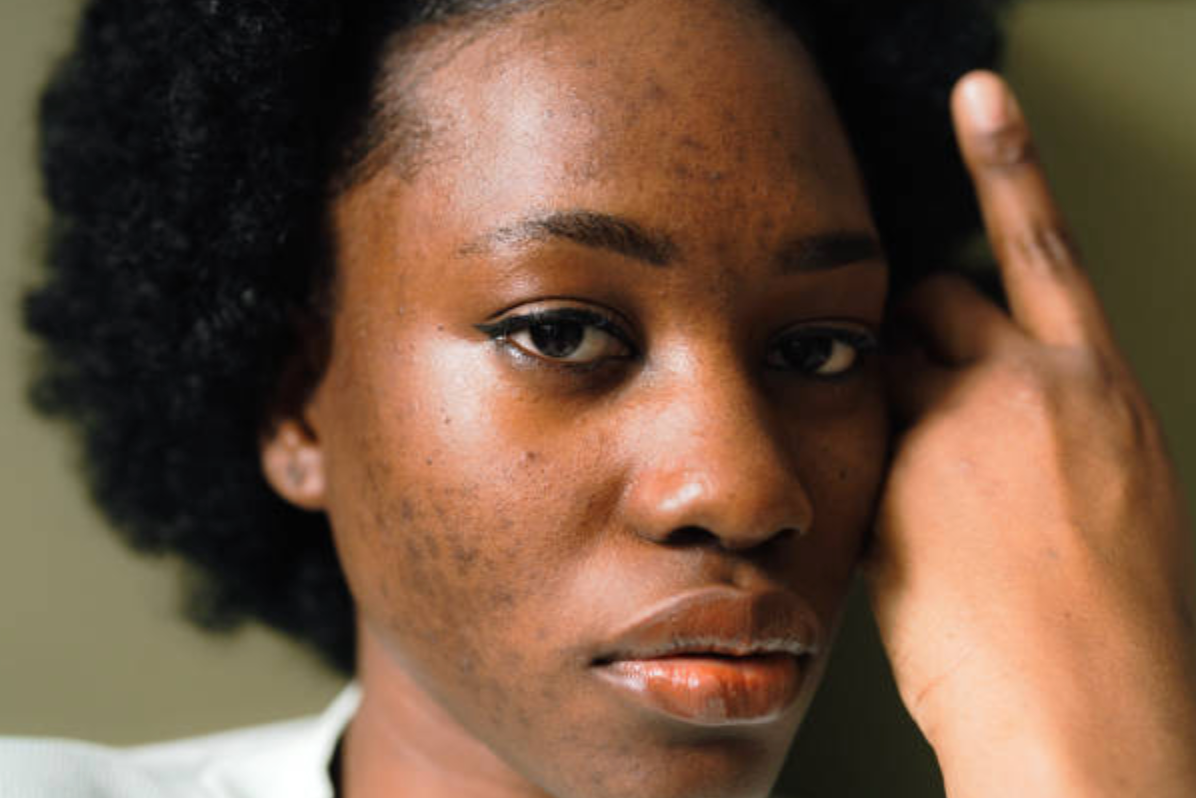
On darker skin tones, hyperpigmentation often lasts longer and appears more intensely. Melanin-rich skin contains more active melanocytes, the cells responsible for producing pigment, which means even small amounts of inflammation or irritation can trigger a stronger pigment response. A mark that fades quickly on lighter skin may linger for months on brown or Black skin. Post-inflammatory hyperpigmentation caused by eczema, acne, scratching, or even minor skin trauma is one of the most common concerns for women of colour, yet it remains one of the least understood by mainstream skincare.
This understanding became deeply personal for our founder. While searching for relief for her daughter’s eczema, she was also navigating her own struggles with hyperpigmentation and uneven skin tone. Over time, she found herself returning to African botanical ingredients, not because they promised overnight results, but because they supported the skin gently, consistently, and in a way that felt aligned with melanin-rich skin.
How shea butter actually helps

Shea butter contains two vitamins that are directly relevant to hyperpigmentation, and understanding what each one does makes it clear why shea is more than just a moisturiser.
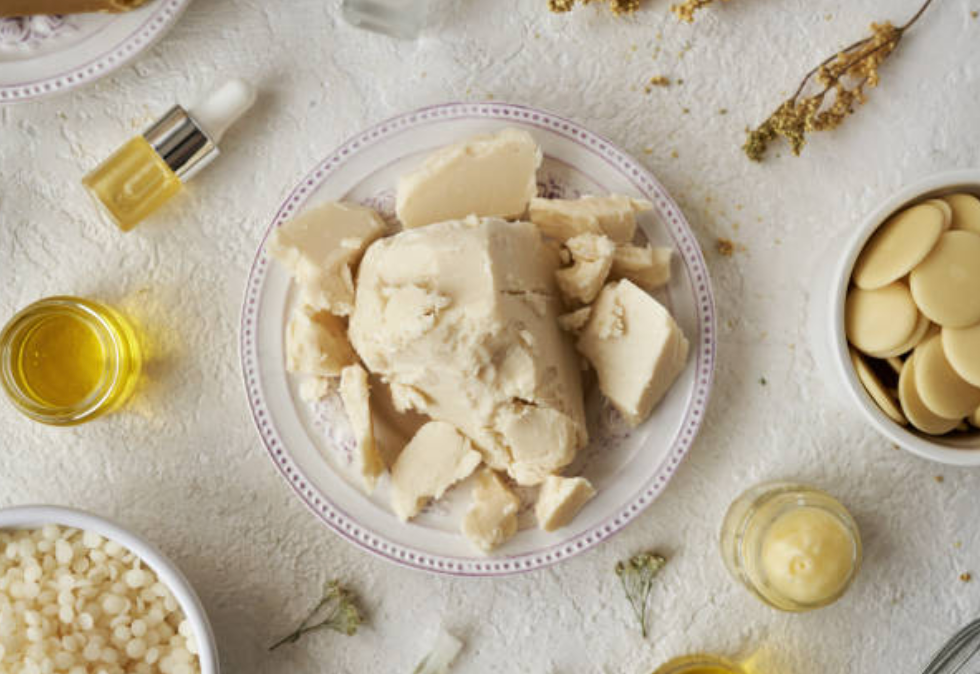
Vitamin A. Unrefined shea butter is naturally rich in vitamin A, the same family of compounds as retinol, which is one of the most researched skincare ingredients for fading dark spots. Vitamin A accelerates cell turnover, encouraging the skin to shed the hyperpigmented cells on the surface and replace them with fresher, more evenly toned skin underneath. It works gradually but consistently, which is exactly how you want a natural ingredient to work.
Vitamin E. This is the one that specifically targets the mechanism behind post-inflammatory hyperpigmentation. When skin becomes inflamed, from eczema, acne, a scratch, or sun damage, oxidative stress signals the melanocytes to produce more pigment as a protective response. Vitamin E is a powerful antioxidant that interrupts this process. It neutralises the free radicals that trigger excess melanin production, and it helps lighten existing dark spots by inhibiting the enzyme (tyrosinase) that drives melanin synthesis. Studies have also found that vitamin E works significantly better when combined with vitamin C, which is where Tikiti Luxe Facial Oil comes in.
Together, vitamins A and E make unrefined shea butter a genuinely useful ingredient for hyperpigmentation, not a miracle cure, but a real, consistent contributor when used as part of the right routine.
“Some dark spots need more than harsh treatments. They need ingredients that understand melanin-rich skin.”
What Shea butter alone cannot do

Here is the important nuance. Shea butter is nourishing, protective, and delivers vitamins A and E, but it works at the surface level. It moisturises and helps the skin barrier heal, which creates better conditions for dark spots to fade. What it cannot do on its own is actively brighten, exfoliate old pigmented cells, or penetrate deeply enough to address the source of pigment overproduction.
This is why the most effective approach to hyperpigmentation uses shea butter as part of a routine, not as the whole routine. You need a cleanser that helps clear congestion and old pigmented cells from the surface, a facial oil that penetrates deeper and delivers brightening actives, and a moisturiser that seals everything in and protects the barrier so inflammation does not keep triggering more pigment.
Our hyperpigmentation collection is built around exactly this logic.
The routine that actually works for dark spots

Step 1 — Cleanse with African Black Soap. The cocoa pod ash and plantain skin ash in our Authentic African Black Soap gently exfoliate the surface of the skin, lifting dead and pigmented cells without harsh chemicals. Used consistently, it helps reduce the dull, ashy look that hyperpigmentation often creates and makes the skin more receptive to the products that follow. One of our customers who had been dealing with hyperpigmentation from facial hair removal said after nearly a year of use: “It really works.”
Step 2 — Apply Tikiti Luxe Facial Oil. This is where the brightening work happens. Tikiti Luxe contains rosehip seed oil, which is high in vitamin A and essential fatty acids shown to fade dark spots and improve skin texture. It also contains sea buckthorn oil, one of the richest natural sources of vitamin C, which works alongside vitamin E to inhibit melanin production and brighten existing pigmentation. The vitamin E in the formula protects the skin from the oxidative stress that causes new dark spots to form. One customer said she genuinely saw improvement in her hyperpigmentation within weeks of starting use.
Step 3 — Seal with Pink Prestige Whipped Body Butter (for body). Locking moisture in after your facial oil keeps the skin barrier intact. An intact barrier means less inflammation. Less inflammation means fewer signals to your melanocytes to produce excess pigment. For body hyperpigmentation, dark patches on arms, legs, inner thighs, or knees, Pink Prestige delivers shea butter's vitamins A and E directly to those areas while keeping skin deeply moisturised and soft.
The complete solution — The Glow & Flow Set. If you want everything in one place, our Glow & Flow Set is built specifically for hyperpigmentation and uneven skin tone. It brings together the products designed to work together as a system: cleanse, treat, and protect, with each step targeting a different part of the hyperpigmentation cycle.
How long will it take to see results?

This is the question everyone wants answered, and the honest answer is: it depends on how deep the pigmentation is and how long it has been there.
Skin renews in cycles of around 28 to 35 days. Surface-level dark spots, recent post-acne marks, and mild sun spots can start to fade within four to six weeks of consistent use. Deeper, older hyperpigmentation, patches that have built up over months or years, take longer. Most people using our hyperpigmentation collection consistently see meaningful improvement between six weeks and three months.
The keyword is consistent. Using products twice a week will not move the needle the way daily use does. Hyperpigmentation responds to repetition; every cleanse, every application of oil, every time you seal your skin barrier, you are making a small deposit into the skin's renewal process. It adds up.
Also important: sun protection. UV exposure directly triggers melanin production. If you are working to fade dark spots and spending time in the sun without protection, you are working against yourself. SPF is highly recommended when treating hyperpigmentation, but choosing the right one matters. Mineral-based sunscreens are often the better option, as some chemical formulas can irritate sensitive skin and potentially create more imbalance while you are trying to heal and protect it.
For body hyperpigmentation specifically

Dark patches on the body, inner thighs, knees, elbows, underarms, and ankles are incredibly common, especially on darker skin tones, and are rarely discussed in mainstream skincare. They happen for all the same reasons as facial hyperpigmentation: friction, inflammation, shaving, dryness, and post-inflammatory response.
For these areas, Pink Prestige Whipped Body Butter is one of the most consistent performers in our range. The shea butter delivers vitamins A and E directly to the skin, the marula oil adds antioxidant protection, and the coconut oil creates an occlusive seal that keeps the area moisturised, reducing friction and the ongoing inflammation that perpetuates dark patches. Applied daily after bathing to still-damp skin, most customers notice a visible difference in texture and evenness within four to eight weeks.
Frequently Asked Questions
Q: Is shea butter good for hyperpigmentation?
A: Yes — specifically unrefined, African-sourced shea butter, which retains its natural vitamins A and E. Vitamin A promotes cell turnover to shed pigmented surface cells, and vitamin E inhibits the melanin-production enzyme tyrosinase. Used consistently as part of a routine, it makes a real difference. Refined shea butter found in most mainstream products has these vitamins largely stripped out.
Q: Can shea butter fade dark spots on Black skin?
A: Yes, though it works best as part of a routine rather than as a standalone product. Shea butter creates ideal skin conditions for dark spots to fade — it reduces inflammation, delivers vitamins A and E, and keeps the skin barrier intact. Pair it with Tikiti Luxe Facial Oil (rosehip and sea buckthorn for brightening) and our African Black Soap (for surface exfoliation) for the most effective approach.
Q: How long does shea butter take to fade dark spots?
A: Allow at least four to six weeks for visible results on surface-level spots, and up to three months for deeper or older hyperpigmentation. Consistency is the most important factor — daily use compounds over time in a way that occasional use simply cannot replicate.
Q: Does shea butter darken or lighten skin?
A: Neither. Shea butter does not bleach or lighten skin tone overall — it helps even out hyperpigmentation by supporting the skin's natural renewal process. It will not change your natural skin colour, it will help fade areas of excess pigmentation so your skin tone looks more even.
Q: Can I use Pink Prestige on my face for hyperpigmentation?
A: For daily facial use, Tikiti Luxe Facial Oil is a better choice — it is specifically formulated for facial skin and contains brightening ingredients like rosehip and sea buckthorn alongside vitamin E. Pink Prestige is the better option for body hyperpigmentation on areas like knees, elbows, inner thighs, and ankles.
Q: What is the best Zawadi Naturals product for hyperpigmentation?
A: The Glow & Flow Set is our dedicated hyperpigmentation solution — designed as a complete routine targeting uneven skin tone and dark spots. For facial hyperpigmentation, Tikiti Luxe Facial Oil paired with the African Black Soap is our most recommended combination. For body dark patches, Pink Prestige Whipped Body Butter used daily after bathing gives the most consistent results.
Shop the products mentioned in this post:
- The Glow & Flow Set
- Pink Prestige Whipped Body Butter
- Tikiti Luxe Facial Oil
- Authentic African Black Soap
- Full Hyperpigmentation Collection
Related Reading
- Shea Butter for Eczema: Why African-Sourced Unrefined Shea Works Differently
-
Can You Put Shea Butter on Your Face? (What You Should Use Instead)
Dealing with hyperpigmentation and not sure where to start? Leave a comment below or send us a message — tell us what your skin is doing, and we will point you to the right products for your specific concerns.