How to Use African Black Soap for Beginners (Without Damaging Your Skin)

There’s a moment many people have with African black soap.
You finally get your hands on it. You’ve heard the stories: clearer skin, fewer breakouts, that natural glow. You use it once… and suddenly your skin feels tight, maybe even a little irritated.
So you wonder: Is this normal? Or am I doing something wrong?
Here’s the truth: African black soap is powerful, but it isn’t meant to be used like a regular bar of soap. When used correctly, it can transform your routine. When used incorrectly, it can overwhelm your skin.
This beginner guide will show you exactly how to use African black soap without irritation, so your skin feels supported, not stripped.
What Is African Black Soap?

African black soap is a traditional, plant-based cleanser that originates from West Africa, particularly Ghana and Nigeria.
It’s typically made from:
- Sun-dried plantain skins
- Cocoa pods
- Plantain skin ash
- Palm kernel oil
- Shea butter
- Ash from natural plant materials
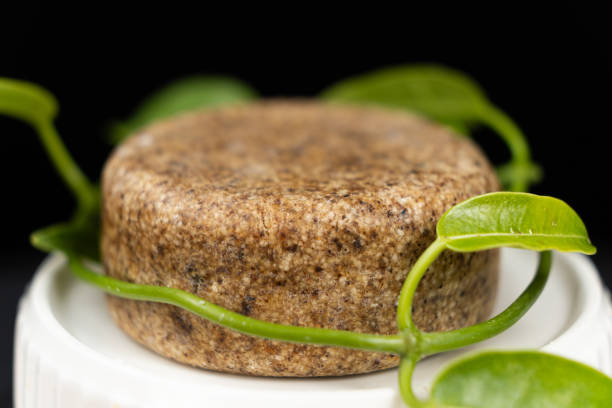
This process gives the soap its deep brown colour and slightly uneven texture.
Unlike commercial soaps, which are often heavily processed and filled with synthetic ingredients, raw African black soap remains close to its natural state. That’s what makes it effective, but also why it needs to be used gently.
What Are the Benefits of African Black Soap?

When used correctly, African black soap can support your skin in simple, effective ways:
1. Helps with acne and breakouts
If you’ve been asking, “Is African black soap good for acne?” Yes, it can be. Its natural antibacterial and cleansing properties help reduce buildup that can clog pores.
2. Balances excess oil
It cleans without completely stripping your skin, helping regulate oil production over time.
3. Provides gentle exfoliation
The natural ash content offers mild exfoliation, helping to smooth rough texture.
4. Supports a more even-looking tone
Over time, it may help your skin appear brighter and more balanced, not by “bleaching,” but by encouraging healthy skin turnover.
⚠️ Why Beginners Get It Wrong

African black soap isn’t harsh, but it can feel that way if used incorrectly.
Here are the most common mistakes:
- Using it every day from the start
- Applying the raw bar directly to your face
- Leaving it on like a mask for too long
- Skipping a rich moisturizer afterward
These small habits can lead to dryness, irritation, or even temporary breakouts.
Step-by-Step: How to Use African Black Soap (Beginner Routine)

If you’re new to African Black Soap, start gently. The goal is to introduce your skin slowly, not overwhelm it.
1. Break off a small piece
A little goes a long way. You don’t need much.
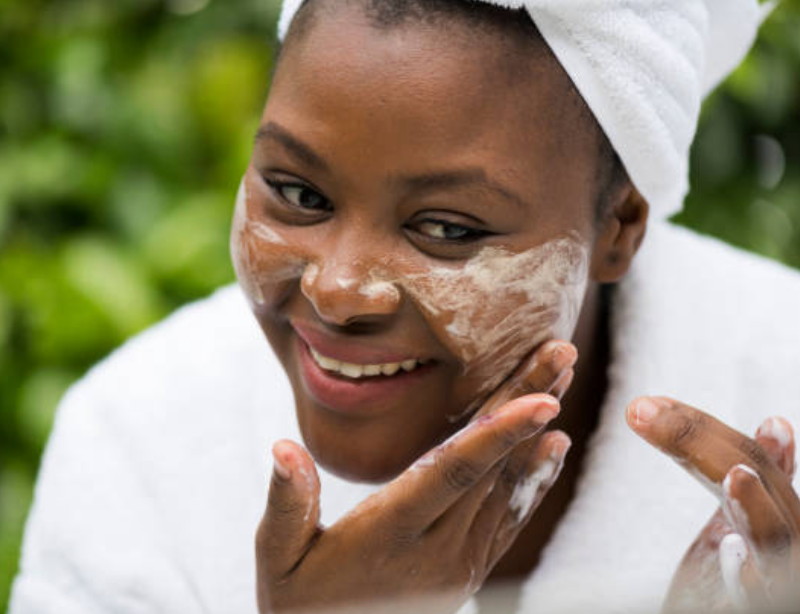
2. Create a lather in your hands
Add water and rub it between your palms until it forms a soft lather. Avoid applying the raw soap directly to your face.
3. Apply gently to your skin
Use light, circular motions — no scrubbing.
4. Keep it brief
For beginners, 10–20 seconds is enough.
5. Rinse thoroughly
Use lukewarm water to cleanse the skin without stripping it.
6. Follow immediately with hydration
Apply a gentle moisturizer, rich oil, or butter to lock in moisture and support your skin barrier.
This is the safest way to use African Black Soap without causing irritation or dryness.
How Often Should You Use African Black Soap?

This depends on your skin type:
Oily or acne-prone skin
- Start with once daily (preferably at night)
- Adjust based on how your skin responds
Normal or combination skin
- 3–4 times per week
Dry or sensitive skin
- 1–2 times per week
- Always follow with rich hydration
If your skin feels tight or irritated, reduce frequency.
Note: This is not an everyday cleanser; use it a few times a week, depending on your skin’s needs.
Common Mistakes to Avoid

To get the best results, avoid these:
- Overusing it (this is the most common mistake)
- Mixing with harsh exfoliants or strong actives
- Expecting overnight results
- Ignoring your skin’s signals
Who Should (and Shouldn’t) Use African Black Soap?

Best for:
- Oily skin
- Acne-prone skin
- Combination skin
Use with care if you have:
- Very dry skin
- Sensitive or reactive skin
- Compromised skin barrier
If your skin is sensitive, you can still use African black soap, but less often, and always paired with soothing hydration.
Pro Tips for Best Results

If you want to get the most out of your routine:
Pair it with nourishing products
Follow with oils or butters to restore balance.
Give your skin time to adjust
A short “purging” phase can happen as your skin clears buildup.
Always patch test first
Especially if you’re new to natural soaps.
Raw African Black Soap vs Processed

Not all black soaps are the same.
Raw African black soap:
- Uneven texture
- Earthy scent
- Most Effective
- May be a bit crumbly
- Soft when pressed
- Colour ranges from light brown to dark brown
Processed versions:
- Usually 1 solid colour or black
- Often diluted with additives
- Less effective
Choosing the Right African Black Soap Matters

Technique is important, but so is what you’re using.
Not all black soaps are the same. Some are heavily processed, diluted, or altered to look smoother and more uniform. In doing so, they often lose the qualities that make African black soap effective in the first place.
A true raw soap will feel slightly uneven. It may have an earthy scent. It’s active, and that’s why it works.
If you’re just starting, it helps to choose one that’s been carefully sourced and kept close to its traditional form.
Zawadi Naturals’ Authentic African Black Soap is made with that intention — simple, traditionally crafted, and designed to work with your skin rather than overwhelm it.
→ Explore Zawadi’s Authentic African Black Soap
Frequently Asked Questions
Can I use African black soap every day?
It depends on your skin type. Oily skin may tolerate daily use, but most beginners should start a few times a week and adjust gradually.
Why is my skin breaking out after using black soap?
This can be a temporary purging phase as your skin clears buildup. If irritation continues, reduce how often you use it.
How long should I leave African black soap on my skin?
For beginners, 10–20 seconds is enough. It’s a cleanser—not a mask.
Is African black soap good for sensitive skin?
Yes, but in moderation. Use it less frequently and always follow with soothing hydration.
Does African black soap lighten skin or dark spots?
It doesn’t bleach the skin. It may help improve the appearance of uneven tone over time by supporting natural skin renewal.
A Gentle Reminder
Skincare doesn’t need to feel harsh to be effective.
African black soap works best when you respect its strength and give your skin time to respond. There’s no need to rush, overuse, or force results.
Start slow, stay consistent, and pay attention to what your skin is telling you.
Start slow, listen to your skin, and let your routine feel like care, not correction.