African Black Soap, What to Look for When Buying the Real Thing

Introduction
If you’ve ever searched for African Black Soap, you’ve likely noticed something confusing.
Some bars are deep black and perfectly smooth. Others are brown, crumbly, and uneven. Some smell like perfume. Others smell… earthy, almost like the soil after rain.
So which one is real?
It can feel overwhelming trying to choose, especially when every brand claims to be “authentic.”
This guide is here to gently walk you through it, so you can understand what real African black soap looks like... how to identify it, and how to choose something your skin will truly respond to.
Why Authentic African Black Soap Matters

Not all African black soap is created equally.
And when it comes to your skin, that difference matters.
Benefits of African Black Soap:
Authentic African black soap is known for:
- Gently cleansing without stripping the skin
- Helping with acne and breakouts
- Improving skin texture over time
- Balancing oil production
- Supporting sensitive or reactive skin when used correctly
How to Identify Real African Black Soap

This is where it becomes clearer. Real African black soap has a few distinct characteristics you can learn to recognise.
1. Colour: Not Actually Black
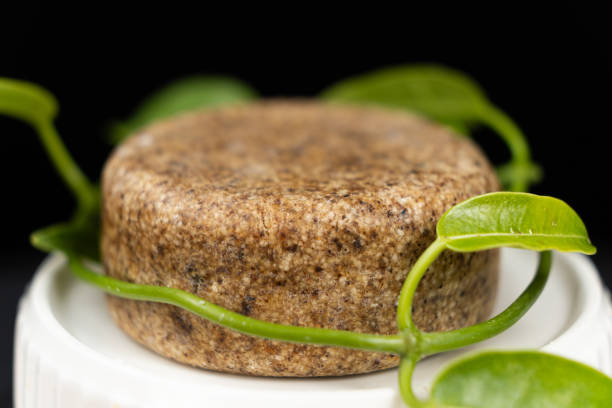
Real African black soap is rarely truly black.
Instead, it ranges from:
- Light brown
- Deep brown
- Dark beige
If it looks perfectly jet black, that’s often a sign it’s been altered or dyed.
2. Texture: Raw and Uneven
Authentic African black soap is:
- Crumbly
- Soft
- Slightly rough
It doesn’t come in perfectly smooth, polished bars unless it has been heavily processed.
Each batch can look slightly different—and that’s part of its beauty.
3. Ingredients: Simple and Honest
Real African black soap contains:
- Natural plant-based ash
- Oils like shea butter or palm oil
- No synthetic fragrance
- No artificial colours
If you see a long list of chemicals or added perfumes, it’s likely not the real thing.
4. Scent: Earthy, Not Perfumed
The scent of authentic African black soap is subtle and natural.
It may remind you of:
- Earth
- Smoke
- Roasted plants
It should not smell like a strong fragrance or artificial perfume.
Inauthentic vs. Real African Black Soap

Here’s a simple way to compare:
Real African Black Soap:
- Brown, not jet black
- Soft, crumbly texture
- Earthy scent
- Minimal ingredients
- Traditionally sourced
Inauthentic or Processed Versions:
- Deep black color
- Smooth, hard bars
- Strong fragrance
- Long ingredient lists
- Mass-produced appearance
Common Mistakes When Buying
Even with the best intentions, it’s easy to get misled.
Here are a few things to watch for:
- Assuming darker means better
- Believing all black soap is the same
- Ignoring ingredient lists
- Choosing based on appearance alone
A gentle reminder: your skin responds to what’s inside, not how polished it looks on the outside.
Choosing a Trusted Source

When choosing African black soap, look beyond the label.
Ask:
- Is the sourcing transparent?
- Are the ingredients simple and clearly listed?
- Does the brand respect the tradition behind the product?
At Zawadi Naturals, we believe in keeping things close to their origin, working with ingredients in their purest form, without unnecessary alteration.
Because your skin doesn’t need more. It needs what’s real. That's why Our Authentic African Black Soap is created with that same intention, kept simple, rooted in tradition, and made to support your skin without overwhelming it.
FAQ: African Black Soap
Is African black soap supposed to be black?
No. Authentic African black soap is usually brown, ranging from light to dark tones—not jet black.
Can African black soap lighten skin?
It doesn’t bleach the skin. However, it can help improve the appearance of dark spots and uneven tone over time by supporting healthy skin renewal.
Is it good for sensitive skin?
Yes, but it should be used gently and not too frequently. Always patch test first.
How often should I use it?
Start with 2–3 times a week and adjust based on how your skin responds.
Conclusion
Choosing real African black soap isn’t about finding the most popular product.
It’s about understanding what it is, and what it isn’t.
When you know what to look for, the process becomes simpler. More grounded. More intentional.
And your skincare becomes something deeper than routine.
It becomes a return to what is honest, time-tested, and made with care.