Oily Skin That Breaks Out From Moisturiser: What Is Actually Happening and the Fix That Changes Everything

You have oily skin. You know you are supposed to moisturise; every skincare post says so. But every time you use a moisturiser, within a day or two you break out. You have tried switching brands. You have tried using less product. You have tried every moisturiser labelled "oil-free" and "non-comedogenic" you can find on the shelf. Some of them are better than others. None of them completely solve the problem.
So you face the same decision everyone with oily, breakout-prone skin eventually faces: moisturise and break out, or skip moisturiser and feel dry by afternoon. Neither option is right. Neither is actually necessary once you understand what is causing the problem.
This post explains exactly what is happening when a moisturiser causes breakouts on oily skin, what comedogenic rating actually means and why "non-comedogenic" on a label does not guarantee what you think it does, and why the counterintuitive switch, replacing your cream moisturiser with a correctly chosen facial oil applied to damp skin, is what consistently works for the oily skin type that cannot tolerate conventional moisturisers.
What Is Actually Happening When Your Moisturiser Causes Breakouts

Understanding the mechanism is what makes the solution make sense, because the solution, on the surface, looks like it should make things worse. So the mechanism comes first.
Acne and congestion are caused by blocked follicles. When a pore, which is the opening of a hair follicle, becomes blocked, the combination of sebum, dead skin cells, and bacteria trapped inside creates the conditions for a spot. The blockage itself can be caused by dead cell build-up on the surface (comedonal acne), excess sebum production (the primary driver in oily skin), or by an external ingredient creating an additional occlusive film that prevents the follicle from draining normally. That third mechanism is what a comedogenic moisturiser does.
Comedogenicity describes an ingredient's tendency to block pores. The comedogenic rating scale runs from 0 (does not block pores) to 5 (highly comedogenic). An ingredient rated 3 or above is considered to carry meaningful congestion risk for acne-prone and oily skin. The problem is that "non-comedogenic" on a product label is unregulated; it is a marketing claim, not a tested standard. A product can legally call itself non-comedogenic while containing individual ingredients with ratings of 3 or 4, as long as the overall formulation has not been formally tested for comedogenicity. Many popular moisturisers marketed for oily skin, particularly those with "gel" or "water" textures that feel light on application, contain emulsifiers, silicones, and thickeners with comedogenic ratings that oily, acne-prone skin cannot tolerate.
Oily skin is particularly vulnerable to comedogenic ingredients. Dry skin often tolerates moderately comedogenic ingredients because the sebum production that would combine with them to block a follicle is limited. On oily skin, where the follicles are already producing abundant sebum, even a mildly comedogenic ingredient applied on top creates the over-full, blocked follicle that produces a breakout within 24 to 72 hours of application. The moisturiser does not cause the breakout directly; it creates the conditions in which oily skin's existing sebum production becomes a problem.
This mechanism explains why the breakout appears 24 to 72 hours after using a new product rather than immediately; it takes that long for a blocked follicle to develop into a visible spot. It also explains why trying a product for one day and deciding it is "fine" is not enough; the congestion it is creating may take three to five days to become visible.
"Your moisturiser is not causing your acne. It is creating the conditions in which your skin's own sebum production becomes the problem. Understanding that difference is what changes what you do about it."
The Ingredients Most Likely Causing the Problem — What to Check

Before changing your entire routine, check your current moisturiser for these specific ingredients. These are the most common comedogenic compounds found in products marketed for oily or acne-prone skin.
Isopropyl Myristate — Rating 4/5 (highly comedogenic)
Found in many "lightweight" gel moisturisers and primers as a slip agent. Creates the smooth, fast-absorbing texture that feels appropriate for oily skin but is among the most congestion-causing ingredients available. Extremely common in budget moisturisers.
Coconut Oil — Rating 4/5 (highly comedogenic)
A popular "natural" ingredient that is among the most comedogenic oils available. If you use a "natural" or "organic" moisturiser that contains coconut oil on oily, acne-prone skin, this is almost certainly contributing to congestion. Despite its widespread presence in natural skincare, coconut oil is not appropriate for oily or acne-prone facial skin.
Algae Extract (certain types) — Rating 3/5
Frequently found in "hydrating" moisturisers for oily skin. Some algae extracts are high in comedogenic fatty acids. The specific type matters; Chlorella is lower risk, Laminaria can be problematic for acne-prone skin.
Wheat Germ Oil — Rating 5/5 (very highly comedogenic)
Occasionally appears in natural moisturisers as a vitamin E source. Has one of the highest comedogenic ratings of any botanical oil. If present in a natural moisturiser used on oily skin, it is a primary suspect.
Dimethicone and Cyclopentasiloxane — Rating 2/5
Silicones appear in most mainstream gel moisturisers for oily skin because they create a smooth, non-greasy skin feel. They are moderately comedogenic and remain on the skin surface indefinitely because they do not biodegrade; combined with oily skin's sebum, they create the conditions for congestion over time, even if the initial application feels fine.
The Counterintuitive Solution: Why a Facial Oil Works When a Cream Moisturiser Does Not

This is the part that most people with oily skin resist instinctively, and the part that consistently produces the best results when they try it anyway.
The solution for oily skin that breaks out from cream moisturisers is not to find a better cream moisturiser. It is to switch to a well-chosen facial oil, specifically one with a comedogenic rating of 0 to 1, applied to damp skin in a small amount. This works because it addresses the problem's mechanism rather than trying to work around it.
Why a 0–1 rated oil cannot block pores.

An oil with a comedogenic rating of 0 or 1 does not create an occlusive film over the follicle opening. Instead, it integrates with the skin's own lipid layer, being absorbed into the stratum corneum and actually helping to regulate the sebum production that drives oily skin congestion. The follicle remains unblocked because the oil is not sitting on top of it; it is part of the skin.
Why linoleic acid specifically regulates oily skin.

Research into acne-prone and oily skin has consistently found that the sebum of acne-prone individuals is deficient in linoleic acid, a specific fatty acid, relative to oleic acid. This imbalance changes the consistency of the sebum, making it thicker, stickier, and more likely to cause blockages. Oils high in linoleic acid, applied topically, correct this imbalance over time, producing sebum that drains more cleanly from follicles and creating fewer blockages. This is the mechanism by which a lightweight oil can actually improve oily skin rather than making it worse.
Why damp skin application is essential for oily skin specifically.

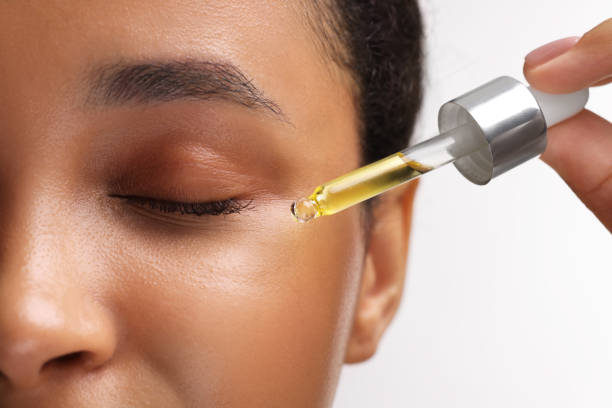
Applied to dry skin, any oil, even one rated 0 to 1, sits on the surface for longer before being absorbed, because there is no moisture carrier to draw it in. On dry skin, application of three drops of facial oil can feel heavy or present on the surface for several minutes. On damp skin, the same three drops absorb within 60 seconds because the surface moisture acts as a carrier, pulling the oil into the skin barrier rapidly. For oily skin, this faster absorption is critical; it is the difference between an oil that integrates cleanly with the skin and one that lingers on the surface and potentially interacts with sebum.
Why Tikiti Luxe Works for Oily Skin: The Specific Reasoning
Tikiti Luxe Nutrient Rich Glow & Repair Facial Oil is built on a watermelon seed oil base, which has a comedogenic rating of 0 to 1 and one of the highest linoleic acid concentrations of any botanical oil used in skincare. This combination makes it specifically appropriate for oily, acne-prone, and congestion-prone skin in a way that most facial oils are not.
Watermelon seed oil — the base. Citrullus lanatus seed oil is pressed from the seeds of the watermelon fruit. Its fatty acid profile is approximately 60–65% linoleic acid, directly addressing the linoleic acid deficiency in oily, acne-prone sebum. Its comedogenic rating of 0 to 1 means it does not contribute to pore blockage regardless of oily skin's existing sebum production. It absorbs rapidly on damp skin, leaving no oily residue on the surface. For oily skin, it is one of the most appropriate base oils in natural formulation.
Rosehip seed oil — the treatment layer. Rosehip's linoleic acid and natural vitamin A compounds support cell turnover, helping clear the existing dark marks and post-acne hyperpigmentation that typically accompany oily, breakout-prone skin. Its comedogenic rating is 1. For oily skin managing ongoing breakouts and the dark marks they leave, rosehip addresses both simultaneously without adding comedogenic risk.
Sea buckthorn — antioxidant protection. Sea buckthorn provides vitamin C, E, and carotenoids that protect skin cells from the oxidative damage that UV exposure and environmental pollutants cause. For oily skin, which is often also the skin type that produces post-inflammatory hyperpigmentation after each breakout, the antioxidant protection that reduces melanocyte activation is genuinely valuable.
Lavender and neroli essential oils — sebum regulation. Both lavender and neroli have documented antibacterial and sebum-regulating properties at the low concentrations present in Tikiti Luxe. Neroli specifically has been studied for its ability to regulate sebaceous gland activity. For oily skin where excess sebum production is the root mechanism, this is not incidental; it is the anti-sebum action that makes Tikiti Luxe different from a simple carrier oil blend.
The Complete Routine for Oily Skin That Breaks Out — Start to Finish

Cleanse with African Black Soap. The plant ash chemistry of African Black Soap provides effective antibacterial cleansing without the sulphate-stripping that triggers compensatory sebum overproduction. This is critical for oily skin: stripping cleansers remove the surface oil but signal the sebaceous glands to produce more to compensate, making the oiliness progressively worse. African Black Soap cleans without stripping, removing excess sebum and impurities without triggering the compensation cycle. Use on damp skin for 30 to 45 seconds maximum, then rinse.
Apply Tikiti Luxe to damp skin within 60 seconds of cleansing. Three drops in the palm, pressed between the hands, then pressed (not rubbed) into the face. The damp skin absorbs the oil within 60 seconds. No residue, no heaviness, no surface oiliness. This step replaces the cream moisturiser entirely; there is no need for an additional moisturising layer on oily skin when the oil is correctly chosen and correctly applied.
Apply SPF over the absorbed oil. Wait 60 seconds after the Tikiti Luxe application for full absorption, then apply SPF. For oily skin, a mineral SPF in a mattifying formula works best over the oil layer. The Tikiti Luxe has fully integrated with the skin by the time SPF is applied and does not cause pilling.
Evening: repeat the cleanse and Tikiti Luxe steps. No SPF required in the evening. The evening Tikiti Luxe application is when the rosehip vitamin A and sea buckthorn carotenoids do their cell turnover and antioxidant repair work overnight. Consistent twice-daily use produces the sebum regulation results that build over three to four weeks.
Weekly — Pineapple Sugar Scrub: Use the Pineapple Sugar Scrub once weekly on the face. The bromelain enzyme dissolves the dead cell build-up that accumulates on oily skin faster than on other skin types and contributes to the blocked follicle conditions that cause congestion. Used weekly, not more frequently, as over-exfoliation inflames oily skin and triggers more sebum production, it maintains the clear skin surface that Tikiti Luxe needs to work most effectively.
What to Expect and When: The Timeline for Oily Skin Switching to Facial Oil

Week one: The skin may feel unfamiliar, not in a bad way, but differently from what cream moisturiser produced. It should feel clean and nourished but not heavy. Some people experience a brief adjustment period of two to three days as the sebum production recalibrates to the non-stripping cleanse.
Weeks two to three: The midday oiliness that arrives by 10 or 11 am typically begins arriving later, noon or early afternoon, as the linoleic acid in Tikiti Luxe begins correcting the sebum fatty acid balance. Existing congestion from the previous moisturiser is clearing. New breakouts are forming less frequently.
Weeks four to six: Visible reduction in pore congestion. Existing dark marks from previous breakouts are beginning to lighten as the rosehip vitamin A supports cell turnover. The skin looks cleaner and more even than it did on the old routine, not because the oil has dramatically changed the skin, but because the comedogenic congestion that the previous moisturiser was creating has cleared.
Month three: The sebum regulation effect of the linoleic acid correction is well-established. Many oily skin users at three months describe the skin as "balanced" for the first time, still producing natural oil but not the excessive, congestion-creating sebum overproduction that characterised their skin before. Post-inflammatory hyperpigmentation from previous breakouts is significantly lighter.
"Oily skin does not need less moisture. It needs the right moisture, a non-comedogenic oil that integrates with the skin rather than sitting on top of it and creating the congestion conditions that cream moisturisers produce."
The SkinStar Soap Bar: A Second Cleansing Option for Oily and Acne-Prone Skin
For days when the skin is particularly congested, after a sweaty workout, after heavy sunscreen application, or during a hormonal week when sebum production peaks, the SkinStar Soap Bar (Sea Moss, Oatmeal & Lavender) provides a step up from African Black Soap's daily gentle cleanse.
Sea moss is naturally prebiotic, supporting the skin microbiome that a sulphate cleanser would disrupt. Oatmeal soothes any inflammation that accompanies oily, breakout-prone skin. Lavender provides the antibacterial activity that keeps the bacterial load in oily skin's sebum-rich environment from triggering new breakouts. It is a targeted cleansing upgrade for the specific oily and acne-prone skin concern that benefits from occasional deeper cleansing without the harshness of acid-based or benzoyl peroxide treatments.
Frequently Asked Questions
Q: Will putting a facial oil on oily skin make it more oily?
A: Not if the oil is correctly chosen and correctly applied. Tikiti Luxe's watermelon seed oil base has a comedogenic rating of 0 to 1 and a linoleic acid profile that actually corrects the fatty acid imbalance driving oily skin's overproduction. Applied to damp skin in three drops, it absorbs within 60 seconds and leaves no oily residue on the surface. Most oily skin users who make this switch report that their midday oiliness reduces significantly after three to four weeks, not increases. The additional oil from the product is negligible compared to what the sebaceous glands are already producing, and the sebum-regulating effect of the linoleic acid correction produces a net reduction in surface oiliness over time.
Q: How do I know which ingredients in my current moisturiser are causing the breakouts?
A: Paste the full ingredient list of your moisturiser into CosDNA.com or IsItComedogenic.com. These databases rate every ingredient against the established comedogenic scale. Look specifically for any ingredient rated 3 or above; those are the most likely contributors to congestion on oily skin. Common culprits in products marketed for oily skin include isopropyl myristate (rating 4), certain silicones (2–3), and coconut oil (rating 4) in products also marketed as "natural."
Q: Can I use Tikiti Luxe if I have acne as well as oily skin?
A: Yes. Tikiti Luxe is specifically appropriate for oily and acne-prone skin; the watermelon seed oil's linoleic acid directly addresses the sebum imbalance that makes oily skin prone to acne; the lavender and neroli provide antibacterial activity that reduces the bacterial load in sebum-rich follicles; and the non-comedogenic rating means it does not contribute to new blockages. Existing active spots will not be worsened by Tikiti Luxe application. If you have very severe cystic acne, work with a dermatologist on prescription treatment alongside a natural routine rather than relying on topical products alone.
Q: I have always been told oily skin does not need moisturiser — is that right?
A: This is one of the most persistent myths in skincare and one of the most counterproductive for oily skin. Oily skin produces excess sebum oil. But it can simultaneously be dehydrated, lacking water. Dehydrated oily skin that is not moisturised compensates by producing more sebum, worsening the oiliness. The correct approach is to moisturise oily skin with a non-comedogenic option — which for most oily skin types means a lightweight oil like Tikiti Luxe rather than a cream — while ensuring the skin's water levels are maintained. Skipping moisturiser entirely usually makes oily skin worse over time.
Q: What about the Makeda Glow Pot — is that suitable for oily skin?
A: The Makeda Glow Pot (African Black Soap Cleanser) is primarily a cleanser and multi-purpose balm. For oily skin, the African Black Soap base is appropriate as a cleanser step. As a leave-on treatment, the balm texture may be too rich for oily skin used on the face; Tikiti Luxe is the more appropriate leave-on option for oily facial skin. The Makeda Glow Pot works well for dry areas of the body, very dry hands, and as a targeted treatment on dry patches, while Tikiti Luxe handles the facial moisturising step.
Q: Can I use both the SkinStar Soap Bar and African Black Soap in the same week?
A: Yes, use them interchangeably or alternately based on what the skin needs that day. African Black Soap for daily cleansing. The SkinStar Soap Bar (Sea Moss, Oatmeal & Lavender) for mornings after a workout, during hormonal weeks when the skin is particularly oily, or whenever the skin feels like it needs a more thorough cleanse than a standard wash. Both are sulphate-free and will not trigger the compensatory sebum production that stripping cleansers cause.
The Oily Skin Routine: Shop the Products
- Tikiti Luxe Nutrient Rich Glow & Repair Facial Oil
- Authentic African Black Soap
- SkinStar Soap Bar (Sea Moss, Oatmeal & Lavender)
- Pineapple Sugar Scrub (Turmeric & Camwood)
- Divine Cocoon Vitamin B3 Facial Milk
Related Reading
- Using a Facial Oil on Oily Skin — Why It Works When Everything Else Does Not
- Dry Skin vs Dehydrated Skin: Why This Difference Completely Changes What You Need
- Adult Acne for the First Time in Your 20s, 30s or 40s: What Is Actually Going On
- African Black Soap 30-Day Challenge: What to Expect Week by Week
Oily skin that breaks out from moisturiser is one of the most common skincare frustrations we hear about and one of the most fixable once the mechanism is understood. Leave a comment with what you have tried, what has caused problems, and your current routine, and we will tell you exactly what needs to change.