
What Makes Authentic African Black Soap Different

Why So Many People Get It Wrong
If you’ve ever searched for African black soap, you’ve likely noticed something confusing.
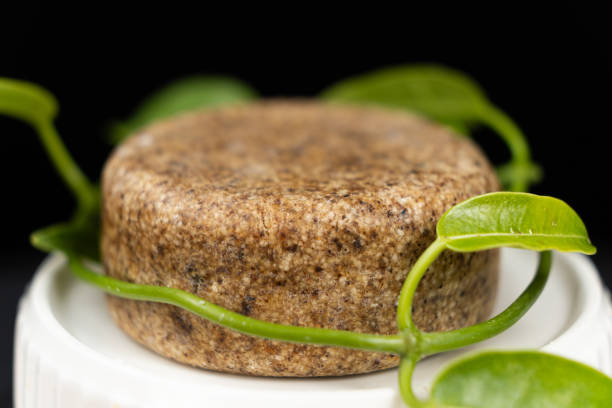
Some bars are jet black and perfectly smooth. Others are brown, crumbly, and uneven. Some smell strongly perfumed, while others have a mild, earthy scent.
So which one is real?
With so many versions on the market, it’s not always easy to tell the difference between authentic African black soap and imitations. And when it comes to your skin, that difference matters.
This guide will walk you through what to look for, gently, clearly, and honestly.
What Is Authentic African Black Soap?

Authentic African black soap is a traditional, handmade soap made in West Africa using natural ingredients like plantain skin ash, cocoa pod ash, and nourishing oils such as palm oil or shea butter.
It is:
- Unrefined
- Free from synthetic additives
- Made using age-old methods passed down through generations
Because of this, no two batches look the same, and that’s part of its beauty.
What Makes African Black Soap Authentic?

1. Traditional Production Methods
Authentic African black soap is not factory-made.
It begins with:
- Sun-dried plantain skins or cocoa pods
- Burned into ash
- Blended with oils and water
- Slowly cured over time
This process creates a soap that is naturally rich in minerals and gentle cleansing compounds.
There are no shortcuts here, just time, care, and tradition.
2. Raw and Unrefined Nature
Real African black soap is not processed to look “perfect.”
It remains:
- Slightly rough
- Uneven in texture
- Natural in scent
This raw state helps preserve its skin-supporting properties.
3. Natural Variations in Texture, Color, and Scent
If your soap looks different each time you buy it, that’s a good sign.
Authentic African black soap can be:
- Light brown to deep brown (rarely pure black)
- Soft, crumbly, or slightly firm
- Mildly earthy or smoky in scent
These variations happen because the ingredients are natural and handmade.
Real vs Inauthentic African Black Soap: Key Differences

Understanding the difference between real and Inauthentic African black soap can save your skin from irritation and disappointment.
Ingredient List
Authentic:
- Plantain skin ash
- Cocoa pod ash
- Palm oil, coconut oil, or shea butter
- Water
Inauthentic:
- Synthetic fragrances
- Artificial colorants
- Preservatives
- Unknown fillers
Texture
Real: Soft, slightly crumbly, can be molded by hand
Inauthentic: Hard, smooth, uniform like commercial soap
Color
Real: Brown or deep tan, sometimes with uneven tones
Inauthentic: Jet black or artificially dark
Scent
Real: Light, earthy, sometimes smoky
Inauthentic: Strong perfume or fragrance
Why Authentic African Black Soap Looks “Imperfect”

It’s easy to assume that smooth, polished products are better.
But with African black soap, the opposite is often true.
The “imperfections” you see, uneven color, rough edges, and slight crumbling, are signs that the soap has not been overly processed.
These variations mean:
- The ingredients are natural
- The soap is handmade
- The integrity of the formulation is intact
Perfection, in this case, usually means alteration.
How to Tell If Your African Black Soap Is Real

Here’s a simple checklist to help you identify if your African black soap is real:
- It is brown, not jet black
- The texture is soft or slightly crumbly
- The ingredient list is short and natural
- It has a mild, earthy scent (not heavily perfumed)
- It may look slightly different each time you buy it
If your soap checks most of these boxes, you’re likely holding the real thing.
Common Mistakes to Avoid when using the soap
Even with the best product, how you use it matters.
Avoid these common mistakes:
- Using it too frequently (start 2–3 times per week)
- Applying raw chunks directly to sensitive skin
- Skipping moisturiser afterwards
- Expecting instant results
Consistency and gentleness always work better than intensity.
FAQ: African Black Soap
Is African black soap supposed to be soft or hard?
Authentic African black soap is usually soft or slightly crumbly, not hard and uniform.
Can Inauthentic African black soap damage skin?
Some imitations contain synthetic ingredients that may cause dryness, irritation, or breakouts, especially for sensitive skin.
Why does my African black soap look different each time?
Because it is handmade with natural ingredients, variations in color and texture are completely normal.
Is African black soap good for acne?
Yes, many people use African black soap for acne because it helps cleanse pores and balance oil, especially when used gently.
Can I use African black soap every day?
It depends on your skin. Beginners should start a few times per week and adjust based on how their skin responds.
Does African black soap expire?
It doesn’t expire quickly, but it should be kept dry between uses to maintain its quality.
A Gentle Note on Choosing Well
Not all African black soap is created with the same care.
At Zawadi Naturals, we believe in honouring the origins of every ingredient, keeping formulations simple, intentional, and close to their natural state.
Because when something is made the right way, your skin can feel the difference, without needing anything extra.