
Why Eczema Flares in Summer for Some People And the Natural Routine That Helps

If your eczema is worse in summer than winter, you have probably been told, directly or indirectly, that this is unusual. Most eczema advice focuses on cold, dry weather as the primary enemy: central heating, winter winds, and low humidity. And for many people with eczema, that is true.
But a significant number of people experience the opposite. Summer brings heat, sweat, sun exposure, sunscreen, outdoor allergens, and for some, more humidity, and their eczema responds to all of it. They are not imagining it. They are not unusual. And the standard winter-focused eczema advice does not help them because it is not written for them.
This post is. Here is exactly why eczema flares in summer for some people, the specific mechanisms behind each trigger, and the natural routine that addresses summer eczema without making things worse.
You Are Not Unusual — Summer Eczema Is Well-Documented

Research consistently shows that eczema severity does not follow a single seasonal pattern. A significant minority of eczema sufferers, studies suggest between 30 and 40%, report that summer is their worst season.
The same dermatological literature that documents cold-weather eczema also documents heat-triggered, sweat-triggered, and UV-triggered eczema as established clinical subtypes.
The Reddit r/Eczema community discusses summer flares regularly, with hundreds of posts every year from people confused about why their skin is worse when the weather is supposed to be better.
The answer is not the same for everyone. Summer eczema has multiple distinct triggers that can operate individually or together, which is why generic seasonal advice often misses the point entirely.
Understanding which specific mechanism is driving your summer flares is the key to managing them. The five most common triggers are sweat, heat, UV exposure and sunscreen, humidity-related microbiome disruption, and increased allergen exposure.
"You are not weird. You are in the 30–40% of eczema sufferers whose skin does not follow the standard seasonal script. And you have been given advice written for the other 60–70%."
Trigger One: Sweat — The Most Common Summer Eczema Driver

Sweat is the primary summer eczema trigger for most people whose eczema worsens in warm weather.
The mechanism is well understood. Sweat contains salt, lactic acid, urea, and proteins. In healthy skin these are managed and cleared efficiently. In eczema-prone skin, where the barrier is already compromised and immune regulation is dysregulated, sweat sitting on the skin surface triggers an inflammatory response.
The salt in sweat draws water out of the skin through osmosis, worsening the dehydration that eczema skin already struggles with.
The lactic acid in sweat can irritate already sensitised eczema skin.
Critically, sweat under clothing creates a warm, moist environment that encourages the overgrowth of Staphylococcus aureus, the bacteria most consistently associated with eczema flares.
The practical response to sweat-triggered eczema is both hygiene and barrier management.
Showering promptly after sweating with a gentle, anti-inflammatory cleanser removes the sweat and reduces the Staphylococcus aureus load before it can trigger a flare.
Applying a barrier-protecting moisturiser immediately after showering prevents the post-sweat dehydration that compounds the inflammatory response.
Trigger Two: Heat Itself — Beyond the Sweat

Heat triggers eczema through two distinct mechanisms beyond sweat production.
First, heat dilates blood vessels near the skin surface, increasing blood flow and skin temperature. In eczema-prone skin, this increased vasodilation triggers the inflammatory cascade that drives itching.
This is why eczema-prone skin often becomes intensely itchy in hot weather even before significant sweating begins.
Second, heat disrupts the lipid layers of the skin barrier more directly than cold does. The fats and ceramides that form the barrier become more fluid at higher temperatures, reducing their effectiveness as a physical barrier.
Cooling the skin directly and consistently is a meaningful intervention for heat-triggered eczema.
- Take cool showers rather than warm ones.
- Use cool, damp cloths on flaring areas.
- Wear breathable cotton clothing.
- Sleep in a cooler environment.
Trigger Three: Sunscreen Reactions — The Painful Irony

People with eczema need SPF because UV exposure triggers inflammation and worsens the skin barrier.
But many sunscreen formulations are significant eczema triggers in themselves.
Standard chemical sunscreens contain ingredients such as avobenzone, oxybenzone, and octocrylene, which are among the more common causes of contact dermatitis in sensitive skin.
The solution is not to avoid SPF.
It is to find a sunscreen formulated specifically for reactive and eczema-prone skin:
- Fragrance-free
- Free from common chemical UV filter sensitisers
- Ideally formulated with zinc oxide as the active ingredient
Mineral sunscreens sit on the skin surface and block UV physically rather than triggering a chemical reaction in the skin.
Trigger Four: Humidity and Microbiome Disruption

The relationship between humidity and eczema is genuinely complex.
High humidity creates a warm, moist environment that can disrupt the skin microbiome in eczema-prone skin.
Staphylococcus aureus tends to overpopulate at the expense of beneficial bacteria that help maintain barrier integrity.
This is the mechanism behind eczema that worsens in the unpredictable British summer, particularly during heatwaves and humid periods.
The response is a cleanser that specifically targets problematic bacteria without stripping the beneficial bacteria alongside them.
Trigger Five: Outdoor Allergens and Increased UV Exposure

Summer brings higher pollen counts, increased grass and plant contact, and significantly higher UV radiation than winter.
All three are direct eczema triggers for people with atopic sensitivities.
Pollen and plant allergens landing on eczema-compromised skin penetrate the barrier more easily and trigger immune responses that manifest as localised or generalised flares.
On darker skin tones, UV-triggered melanin production compounds the problem by adding hyperpigmentation to existing eczema patches.
The Summer Eczema Routine — Building It Around the Specific Triggers

The winter eczema routine is not wrong, but it misses what summer eczema specifically needs.
The summer routine requires more active anti-inflammatory and antimicrobial support, and the products that work best in winter often need to be used differently or replaced in the heat.
The Cleanser: Phenomenal Turmeric, Camwood Beauty Bar with Sisal Soap Bag
The winter eczema routine, gentle cleanse, heavy emollient seal, barrier protection, is not wrong, but it misses what summer eczema specifically needs. The summer routine requires more active anti-inflammatory and antimicrobial support, and the products that work best in winter (particularly heavy body butters) need to be used differently or replaced in the heat.
This is the summer eczema cleanser for people who find that regular soap worsens their skin in the heat. Here is why this particular bar is specifically relevant to summer eczema, not just because it is gentle, but because of what each ingredient does against the summer-specific triggers.
Camwood (Osun / African Red Sandalwood) has documented anti-Staphylococcal and anti-inflammatory properties. For sweat-triggered, Staph aureus-driven summer eczema flares, cleansing with a product that specifically reduces the Staph aureus load, while being gentle on already-inflamed skin addresses the primary mechanism driving the flare. Camwood has been used in West African traditions for skin healing for centuries, and the specific antibacterial activity is now understood at the molecular level.
Turmeric's curcumin inhibits COX-2 and iNOS — the same inflammatory enzymes that lupeol cinnamate in shea butter targets. Applied to the skin surface in the cleanser, it begins calming the inflammatory response before any other product is applied. For heat-triggered eczema where the inflammatory cascade is initiated by vasodilation and histamine release, this early anti-inflammatory intervention in the cleansing step is clinically meaningful.
Coconut milk in the formula provides moisturising lipids that counteract the stripping that any cleanse involves, and its medium-chain fatty acids, particularly lauric acid, have documented antimicrobial properties against Staph aureus specifically. Coconut milk in a bar cleanser is not a heavy, pore-blocking application, it is the emollient component that ensures the cleansing process does not compound the barrier damage that summer heat has already caused.
May Chang and Lemongrass provide the invigorating, calming aromatherapy experience that transforms the cleansing step from a medical necessity into a genuine moment of self-care. May Chang is anti-inflammatory and antibacterial. Lemongrass has documented antimicrobial properties. Both are gentler and less sensitising than common essential oils like tea tree or peppermint on already-reactive eczema skin.
The Sisal Soap Bag included with the bar provides gentle, controlled exfoliation that keeps the skin surface clear without the harsh physical friction that would worsen eczema. For summer eczema where dead cell build-up and Staph aureus colonisation create a film on the skin surface, this gentle mechanical action alongside the bar's active compounds produces a cleaner, more receptive skin surface than the bar alone.
Use morning and evening. After any exercise or significant sweating, cleanse again with the Phenomenal Bar — this is the most important post-sweat intervention for sweat-triggered summer eczema. Do not wait until the evening shower if you have been sweating during the day.
The Moisturiser: Truth Body Butter (Unscented)

Summer eczema demands a moisturiser with the same barrier-repairing capability as winter's heaviest emollients, but with a texture that is compatible with heat.
Truth Body Butter is completely fragrance-free and essential-oil-free, removing the most common contact sensitisers from the equation.
Its unrefined shea butter base delivers anti-inflammatory and barrier-repairing support exactly where eczema-prone skin needs it.
Apply to damp skin immediately after cleansing, ideally within two to three minutes.
In summer, use a thinner layer than in winter and focus on eczema-prone or actively flaring areas.
On non-eczema areas, a lighter product such as Asaké Rose Body Oil may feel more comfortable.
Managing Sweat — The Non-Product Interventions That Matter as Much as the Products

The skincare routine addresses the skin surface. But sweat-triggered summer eczema also requires managing sweat itself, and several behavioural approaches make a significant difference in the frequency and severity of flares.
Cotton and Bamboo Fabrics Against the Skin
Synthetic fabrics trap sweat against the skin surface, increasing the contact time between sweat and eczema-prone skin.
Cotton and bamboo wick moisture away from the skin and allow it to breathe.
During a summer eczema flare, wear natural fibres directly against the skin for all clothing, not just sleepwear.
Shower Promptly After Exercise or Sweating
The longer sweat sits on eczema-prone skin, the more opportunity it has to trigger the inflammatory cascade and encourage Staphylococcus aureus proliferation.
Ten to fifteen minutes after heavy exercise or significant heat exposure is the ideal window for cleansing with the Phenomenal Bar and applying Truth Body Butter.
Cool the Skin Before Bed
Sleeping in a warm room with warm bedding is a significant eczema trigger.
A cool room, light cotton bedding, and a brief cool shower before bed remove the accumulated sweat and allergens of the day while lowering the core body temperature that drives overnight flaring.
Keep Nails Short
The itch-scratch cycle is often more active in summer because heat increases histamine release.
Keeping nails short reduces the barrier damage caused by inevitable scratching, particularly during sleep.
A Specific Note for Summer Eczema on Darker Skin

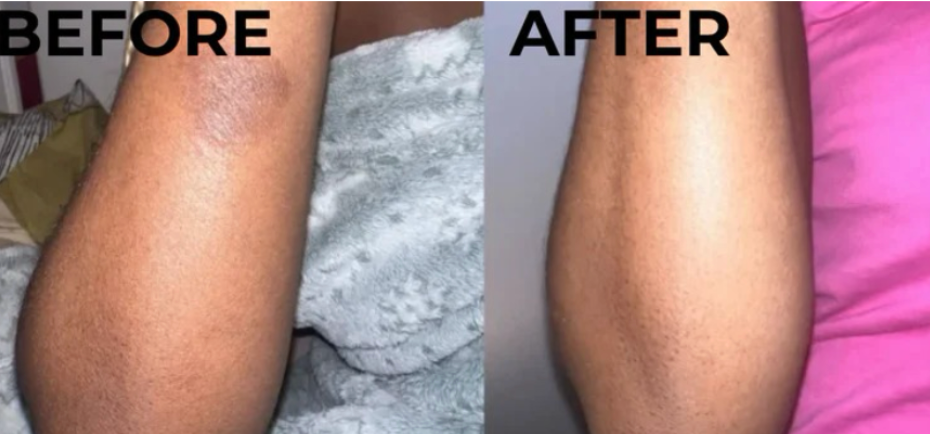
Summer eczema on Black and Brown skin carries an additional burden that lighter-skin eczema guidance almost never addresses: post-inflammatory hyperpigmentation.
On melanin-rich skin, every eczema flare, every patch of inflamed, itchy, broken skin activates melanocytes and stimulates excess melanin production.
The dark patches that remain after the eczema has settled can last for months, often significantly longer than the flare itself.
In summer, higher UV exposure actively darkens these patches every day the skin is left unprotected, extending the pigmentation timeline dramatically.
Managing this requires two additions to the summer eczema routine:
- Apply SPF every morning to eczema-affected areas using a mineral zinc oxide formulation that does not irritate reactive skin.
- Once a flare has completely settled and the skin is calm and intact again, introduce Tikiti Luxe Facial Oil to eczema-affected areas of the face for its rosehip vitamin A and sea buckthorn vitamin C activity on residual pigmentation.
Do not introduce Tikiti Luxe during an active flare. Wait until the skin is fully calm before adding any active ingredients.
Frequently Asked Questions
Q: Why does my eczema flare in summer when everyone says cold weather is the problem?
A: Between 30 and 40 percent of eczema sufferers report summer as their worst season. Summer eczema is driven by heat, sweat, humidity, UV exposure, sunscreen ingredients, and outdoor allergens rather than the cold and dryness that drive winter eczema.
If your eczema is worse in summer, your care needs to be calibrated for summer triggers, not winter triggers that do not apply to you.
Q: Is the Phenomenal Bar safe to use on eczema-prone skin?
A: Yes. The Phenomenal Turmeric, Camwood Beauty Bar is formulated as a gentle daily cleanser that is rich and creamy rather than stripping.
The turmeric and camwood provide anti-inflammatory and anti-bacterial support that is directly relevant to eczema management.
For very severe, acutely flaring eczema, our fragrance-free African Black Soap or Truth Bar Soap may be the more appropriate starting point because they are completely fragrance-free and essential-oil-free.
Q: What sunscreen should I use if my eczema reacts to most sunscreens?
A: Look for a mineral sunscreen formulated with zinc oxide rather than chemical UV filters and one that is completely fragrance-free.
Brands formulated specifically for sensitive and eczema-prone skin are generally the most reliably well tolerated.
Always patch test first and wait 24 hours before full application.
Q: Should I stop using body butter in summer if I have eczema?
A: Not stop — adapt.
Truth Body Butter applied in a thinner layer to damp skin after showering remains important because it seals the barrier and helps prevent moisture loss.
Focus application on eczema-prone areas and use lighter oils on unaffected areas if preferred.
Q: My child's eczema is worse in summer — can they use these products?
A: African Black Soap and Truth Body Butter (Unscented) are suitable for children.
The Phenomenal Bar contains essential oils at low concentrations and is generally more appropriate for children over two years old.
For babies and very young children with highly reactive skin, Truth Bar Soap followed by Truth Body Butter is the gentler choice.
Always consult your health visitor or dermatologist for severe or infected eczema.
Q: Can I use the Sisal Soap Bag on eczema-affected skin?
A: Use it gently and only on skin that is not actively flaring.
On calm eczema skin between flares, the sisal bag can provide controlled exfoliation and help skincare products penetrate more effectively.
On inflamed, broken, or weeping eczema skin, any mechanical exfoliation will worsen the barrier damage.
Shop the Summer Eczema Routine
- Truth Body Butter (Unscented)
- Authentic African Black Soap
- Phenomenal Turmeric, Camwood Beauty Bar + Sisal Soap Bag
- Asaké Rose Bath & Body Oil
Related Reading
- Natural Eczema Treatments for Children: What a Mum of an Eczema Baby Actually Used
- Shea Butter for Eczema: Why African-Sourced Unrefined Shea Works Differently
Does your eczema flare in summer? Leave a comment below with your specific triggers, heat, sweat, sunscreen, or something else entirely. The more specific you are about what sets yours off, the more specifically we can help you manage it this summer.